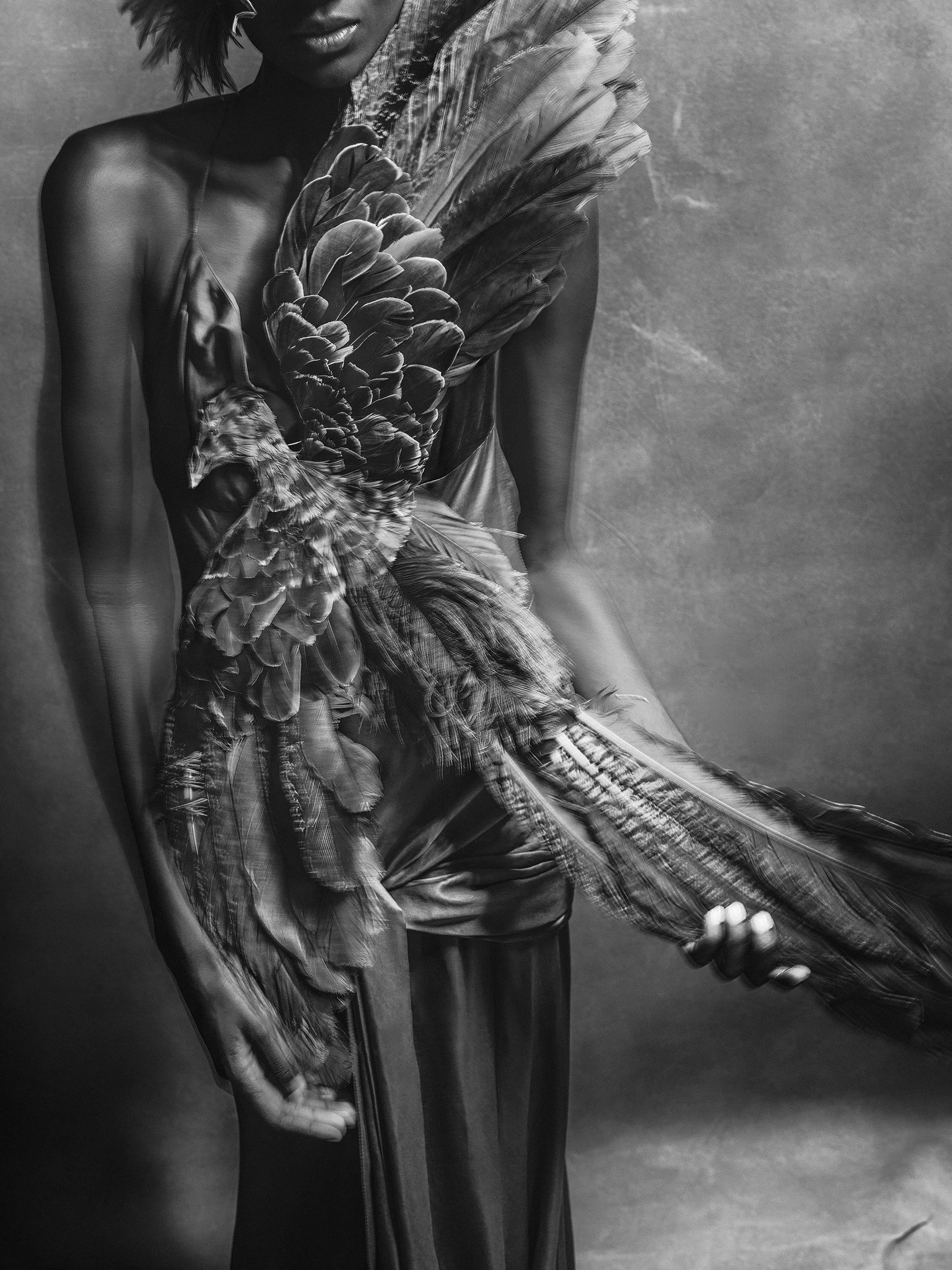
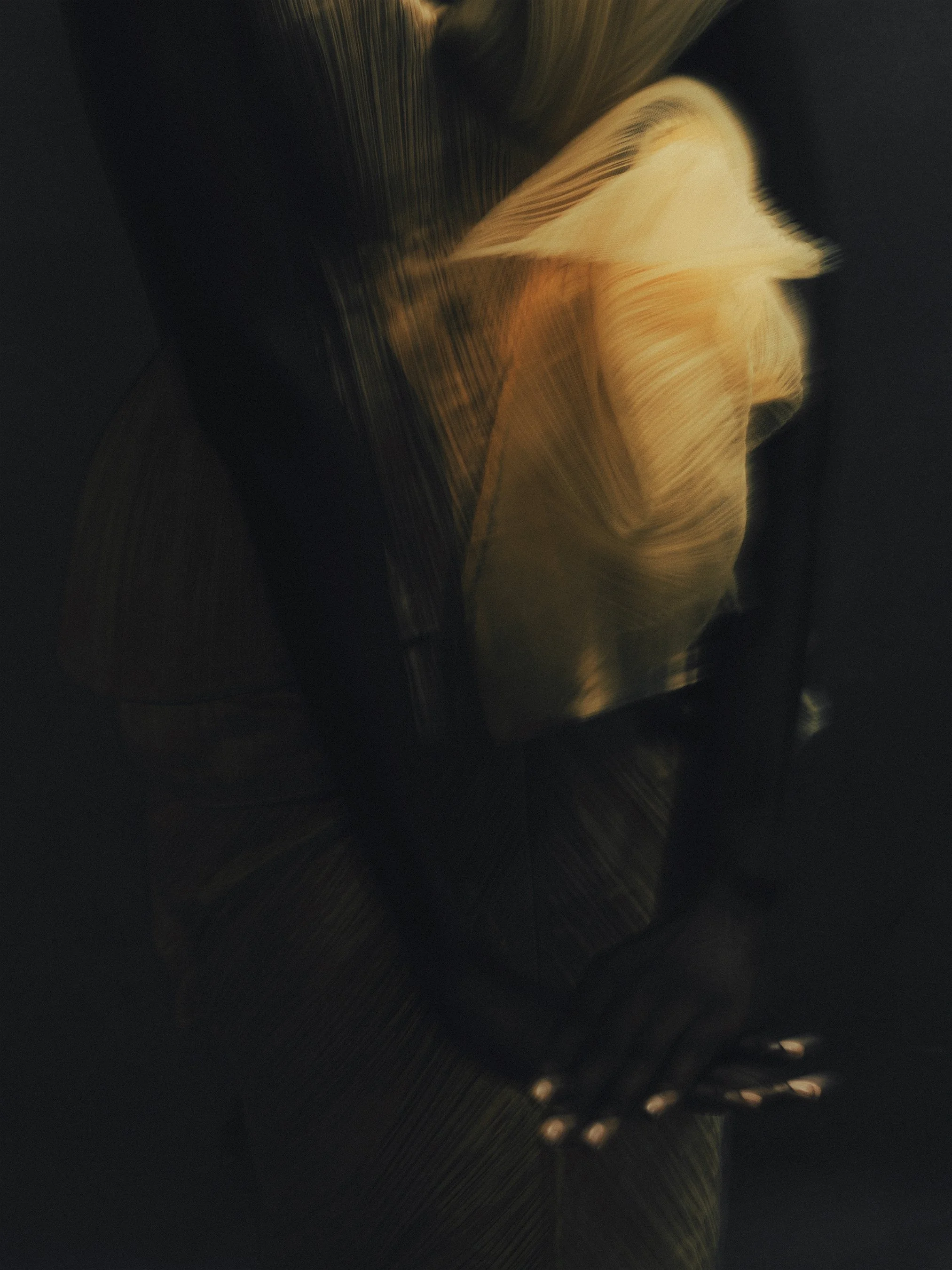
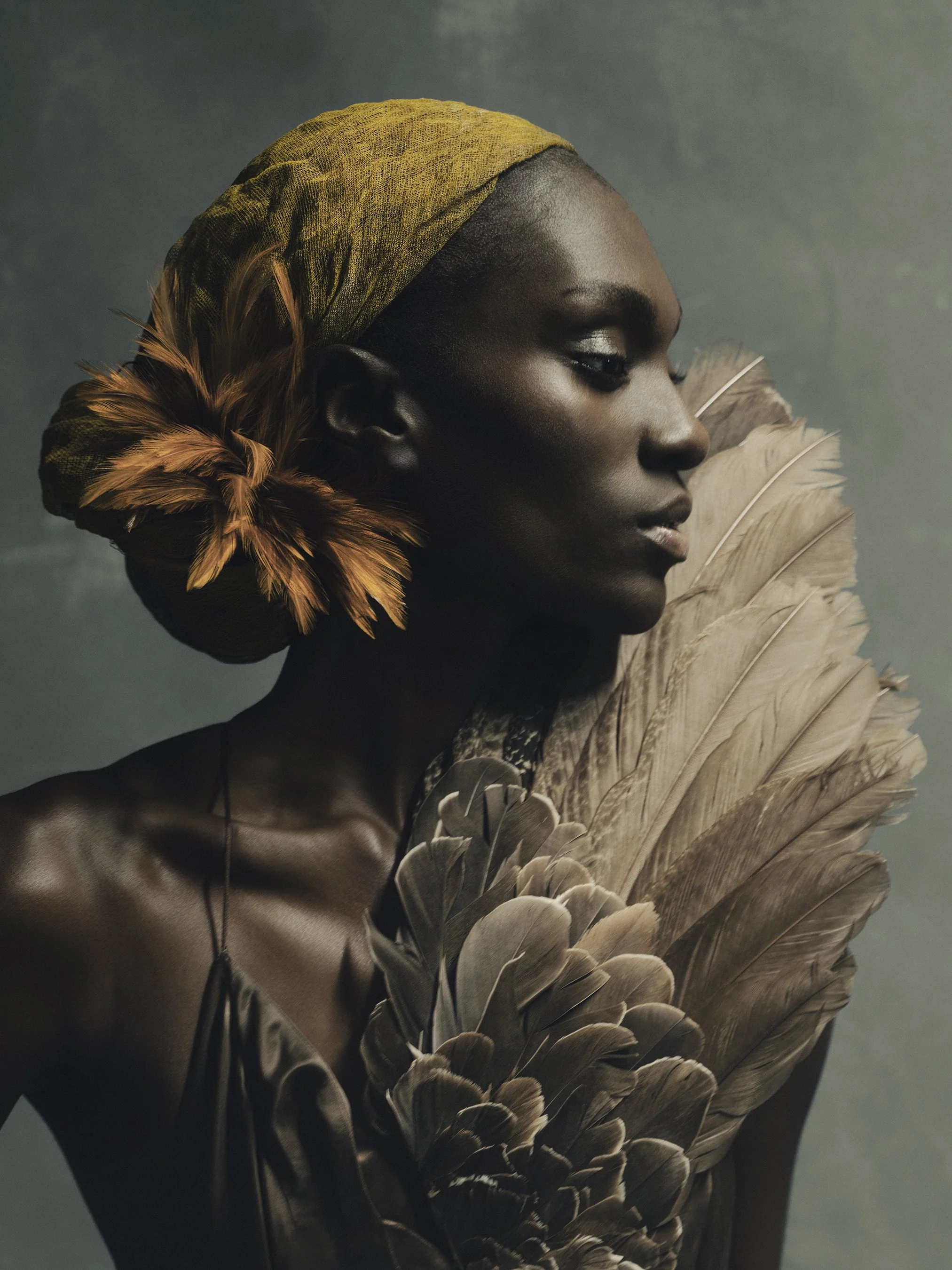
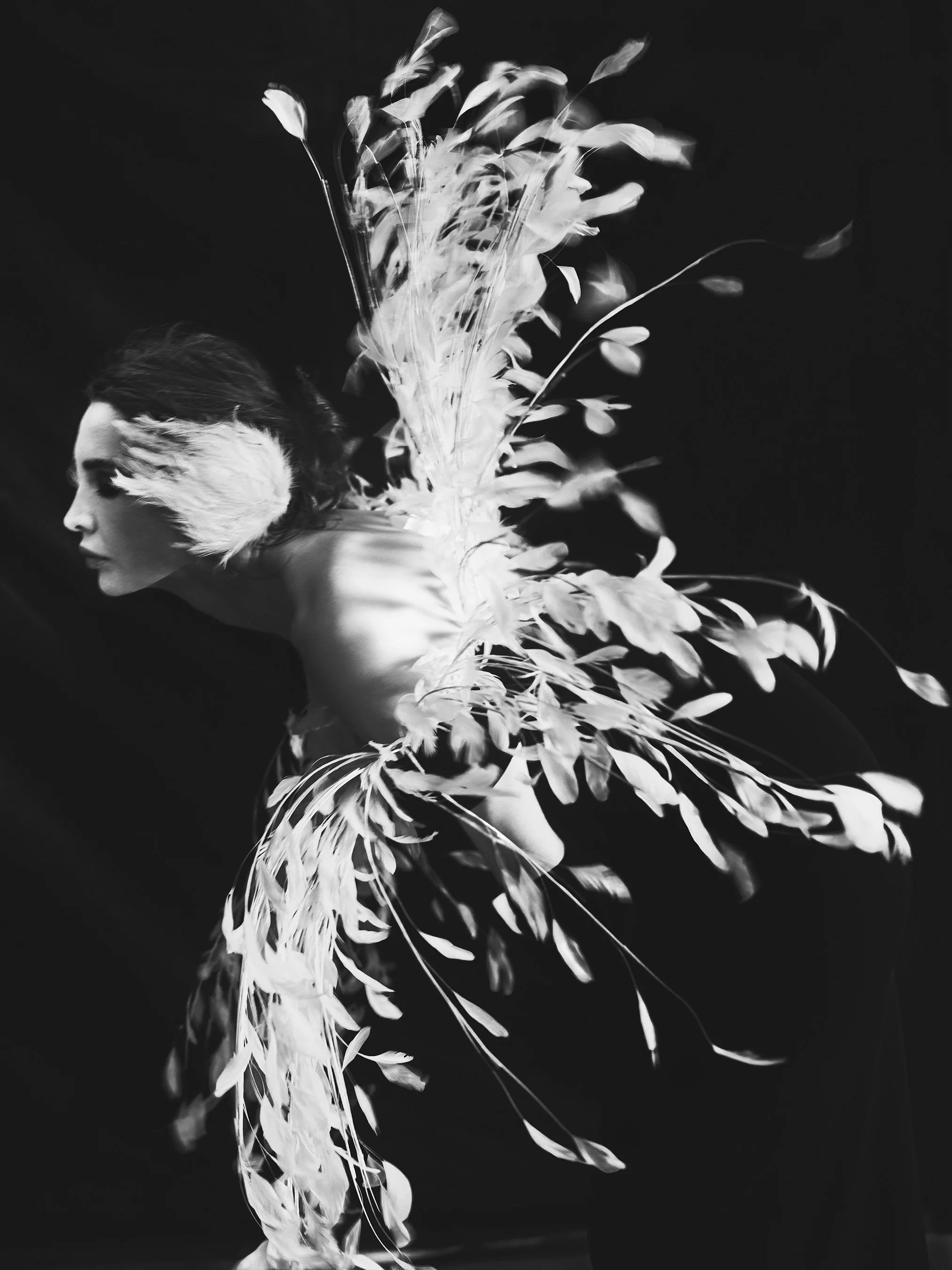
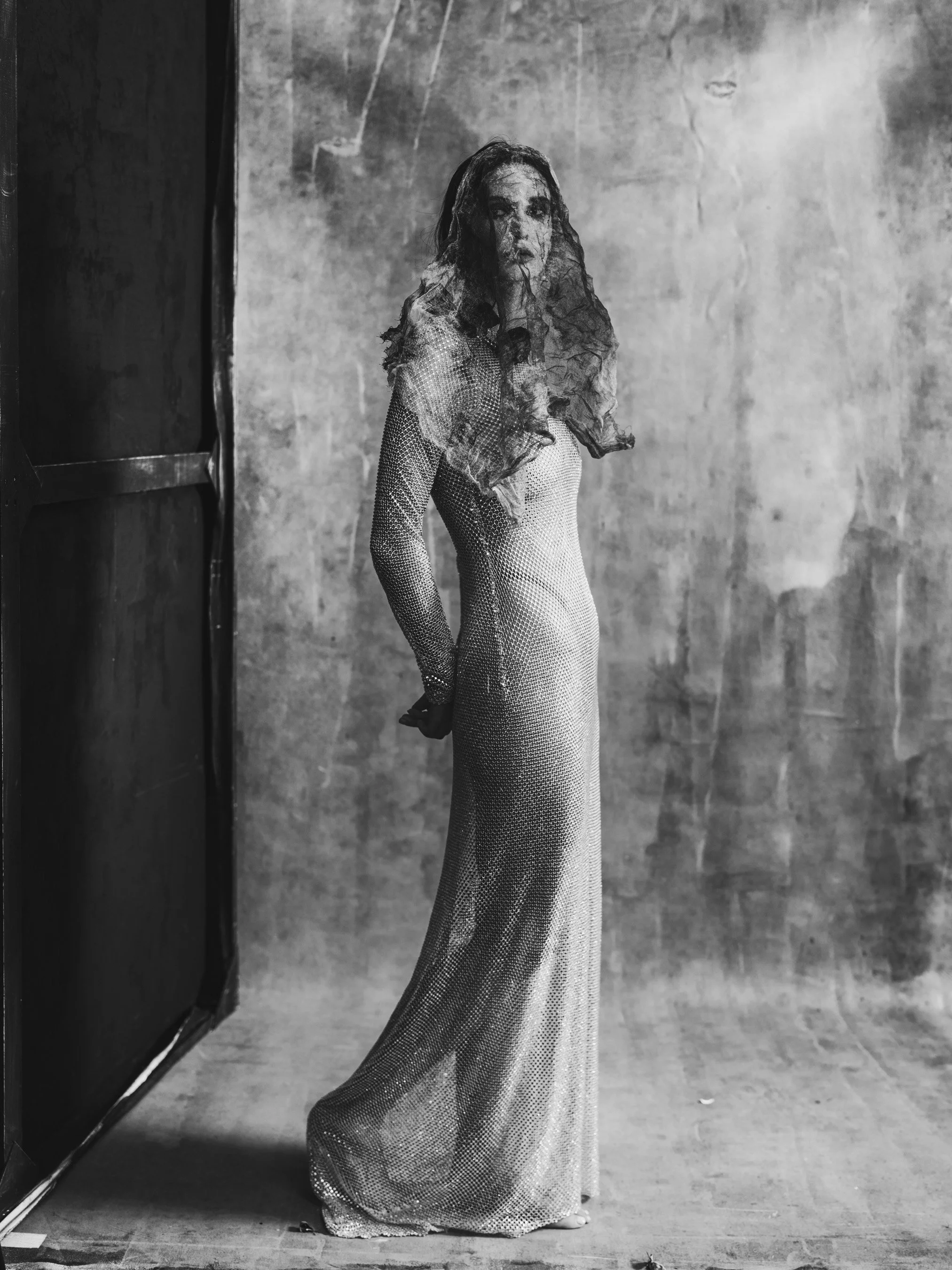
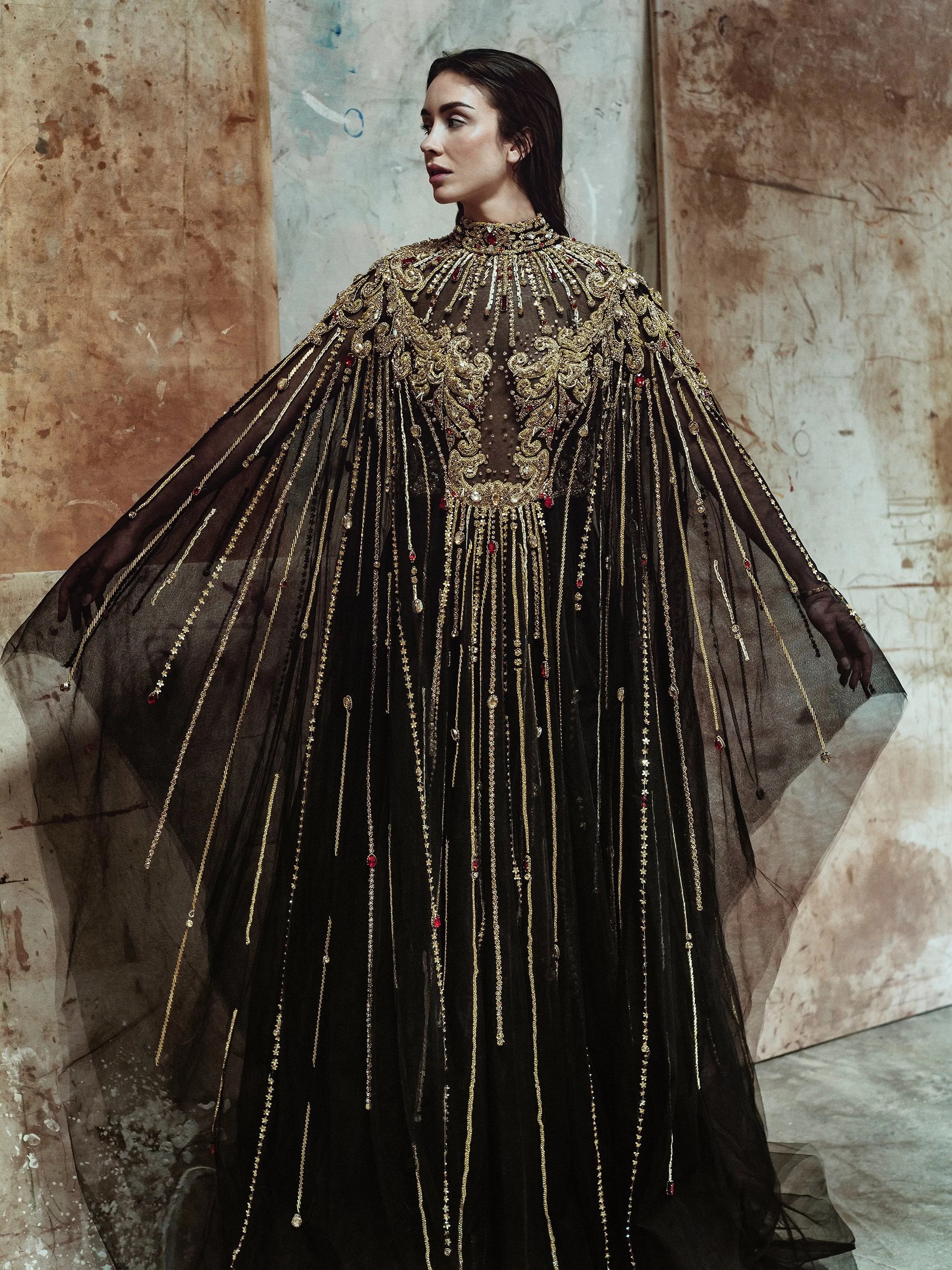
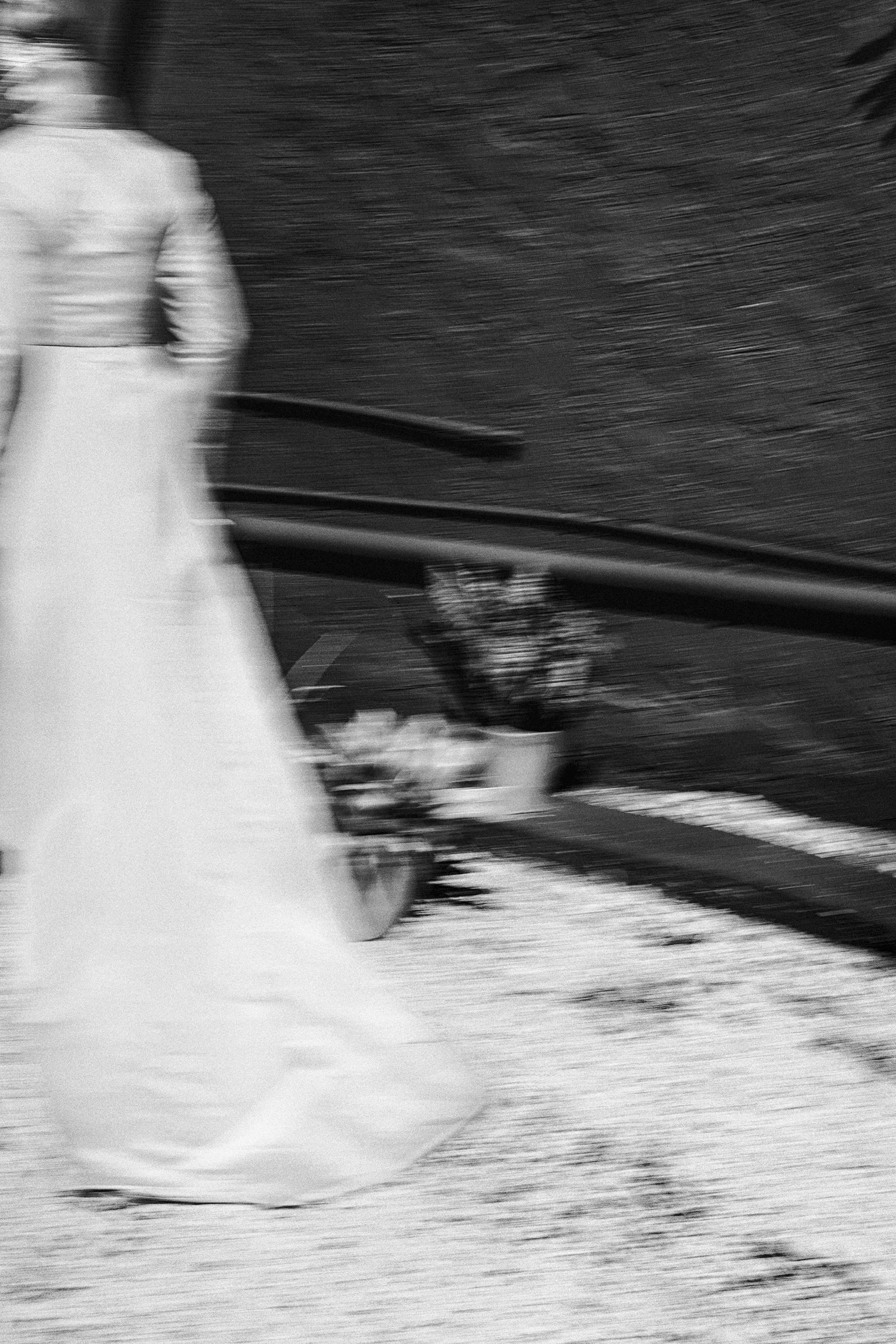
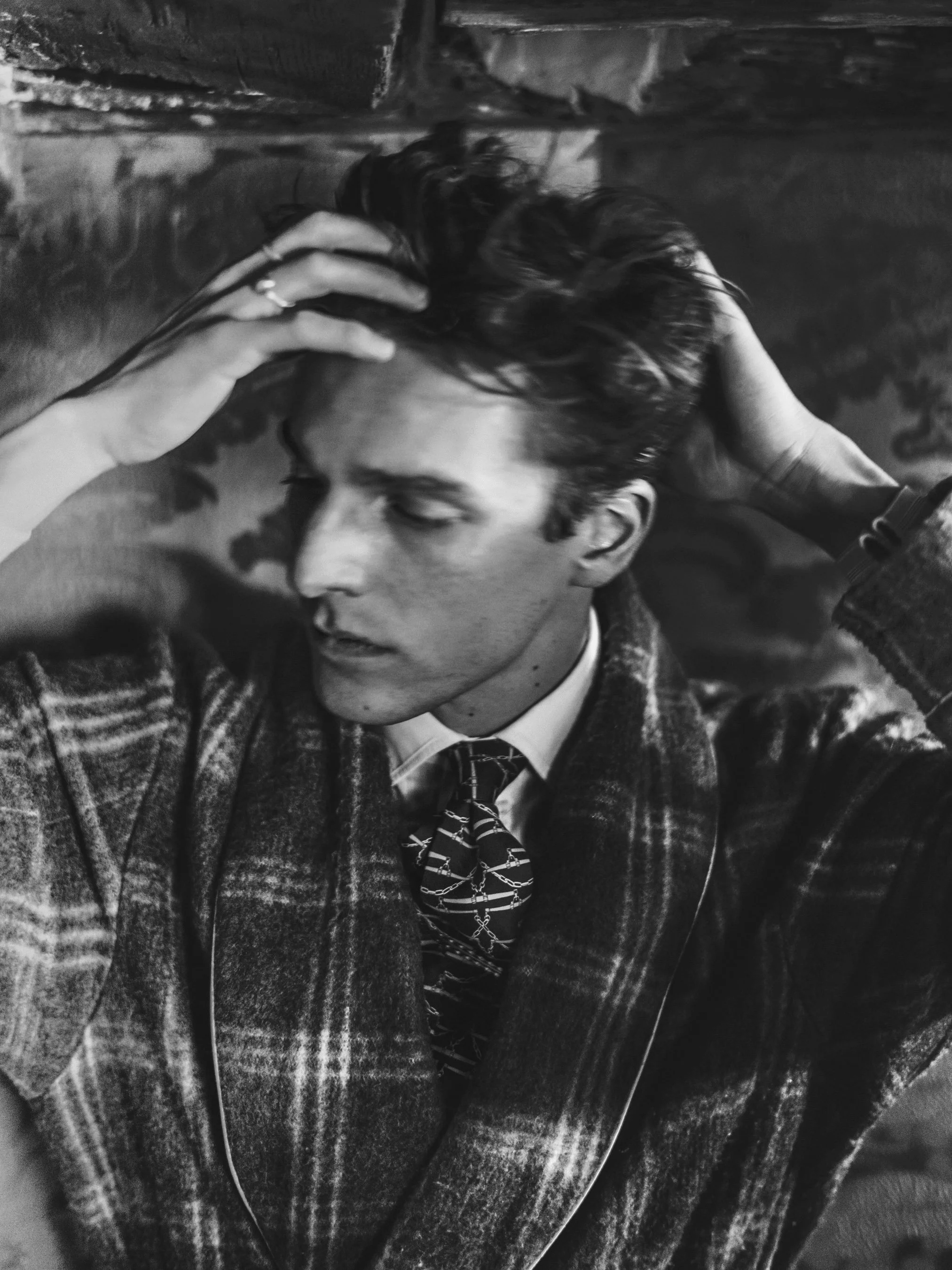
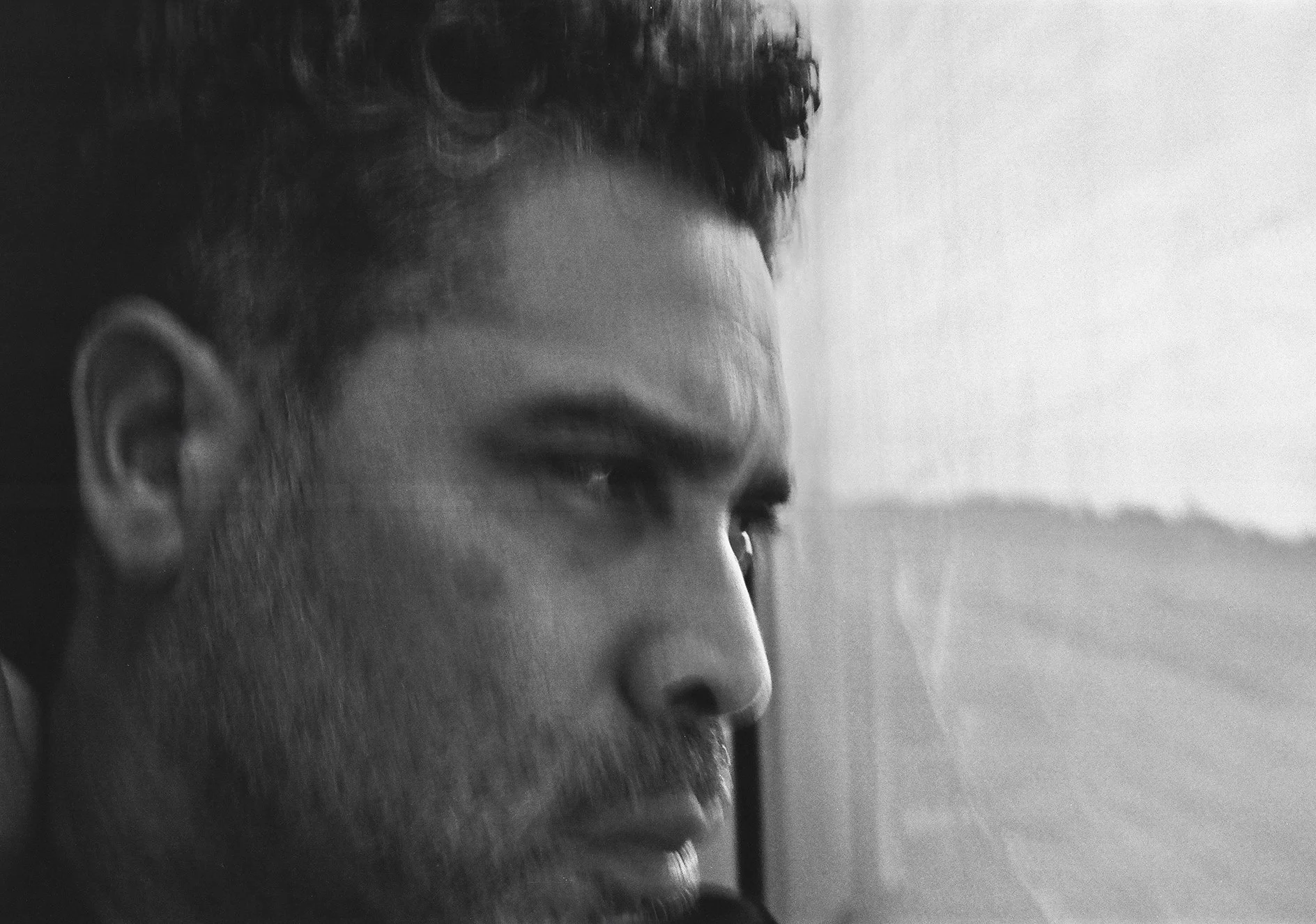
Born in New York City in 1971 and raised in Puerto Rico, Omar Cruz is a Miami based photographer whose professional journey spans over three decades, moving between portraiture, music, fashion, sports, politics, and the arts. His eye was formed by constant movement between continents, cultures, and disciplines. His instinct for the human subject, refined across thousands of sittings with iconic figures around the world, has always been his most essential instrument
Cruz has arrived at the place that was always waiting for him, carried there by a career that left nothing untested. His personal practice did not begin recently. It has run alongside his professional life from the moment he first entered a darkroom at fourteen years old and understood that photography would always be his voice. For three decades his eye moved between the pages of major international publications, the world’s most recognized stages, and the language of motion. A self taught cinematographer and director, his eye was the constant in every format. In recent years his work has undergone a profound shift, from a world built for others toward a vision that is entirely his own. “My heart was telling me to restart my eye.” A deliberate turn inward, toward a vision that is entirely his own.
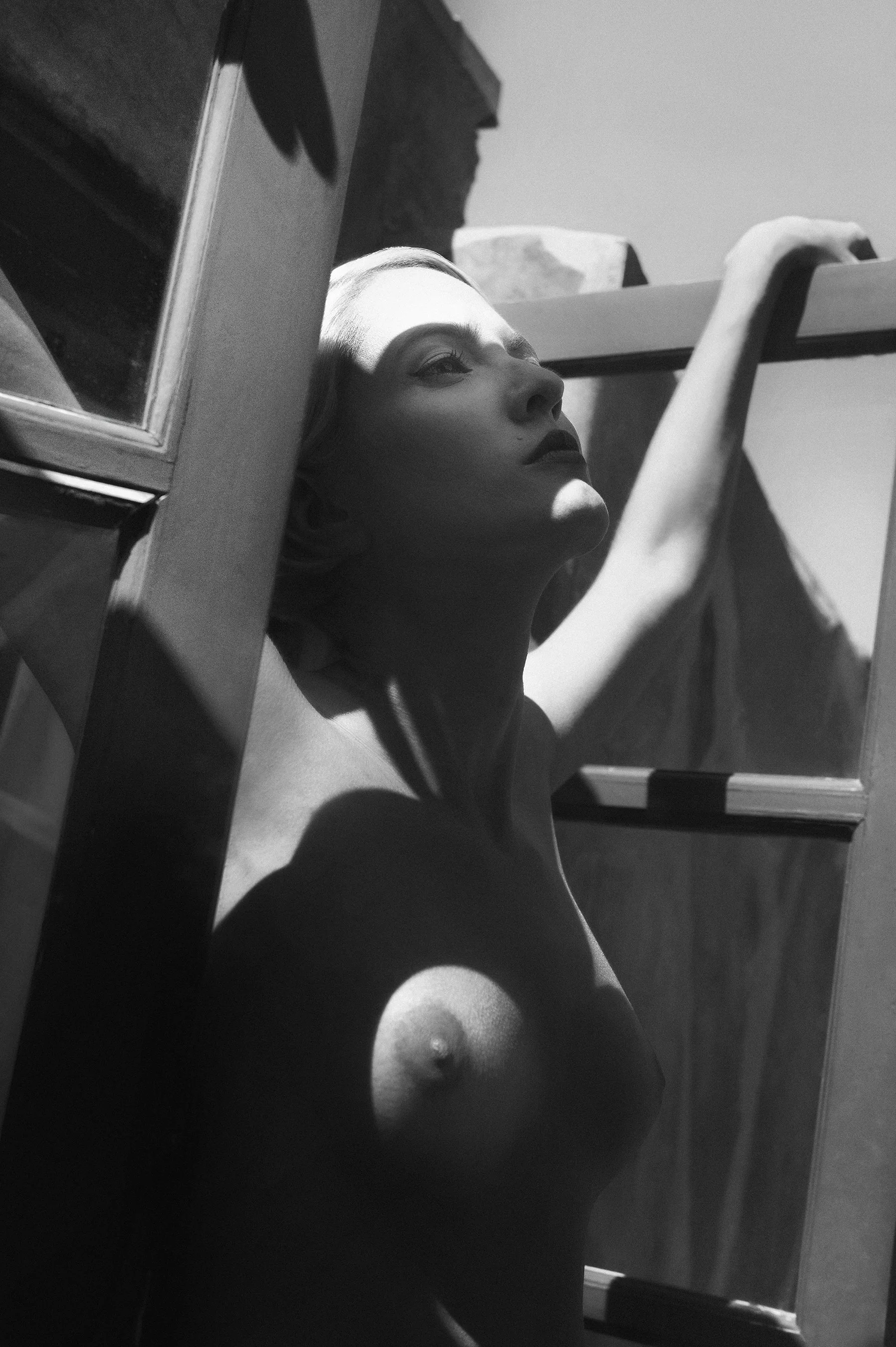
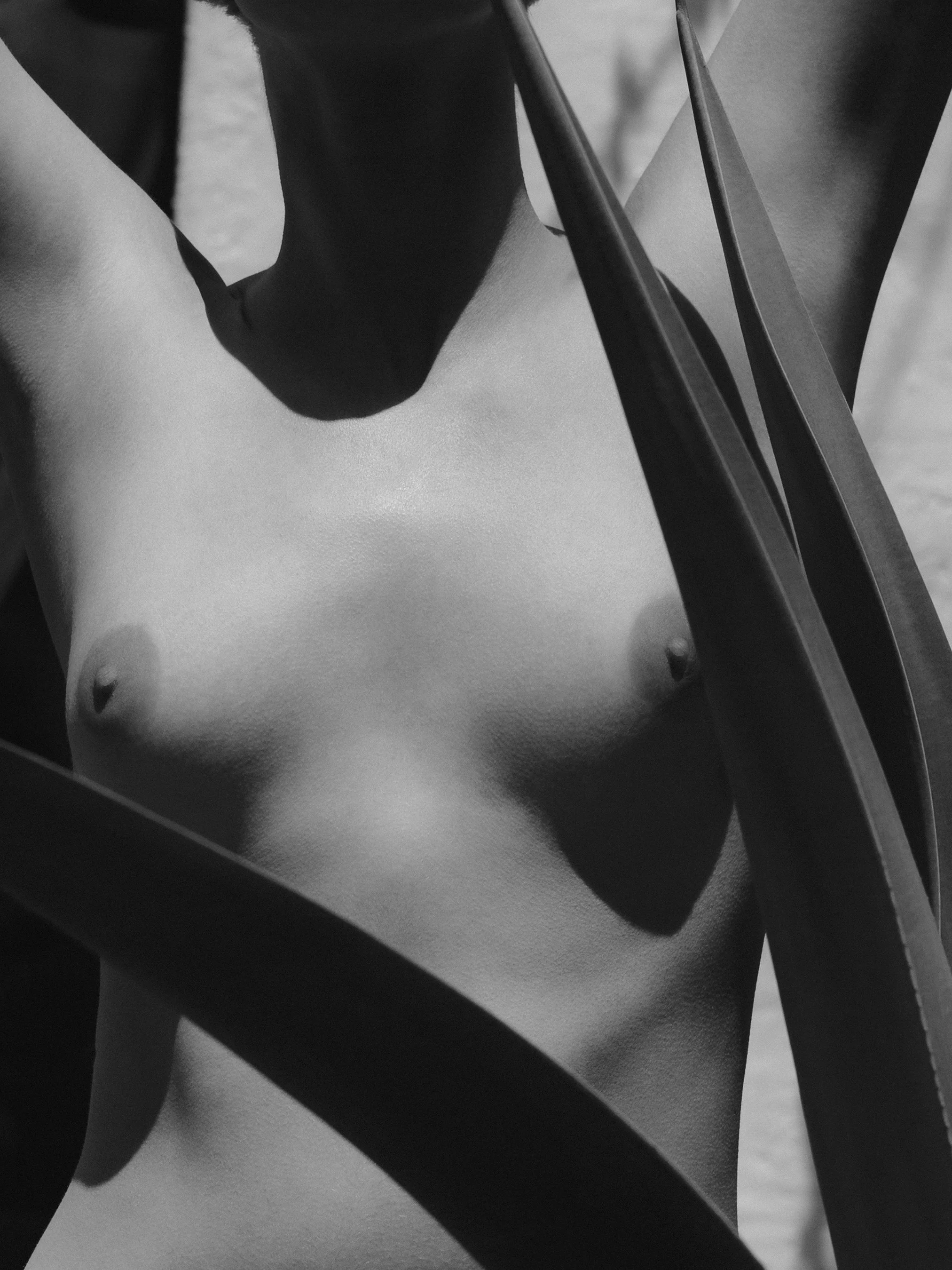
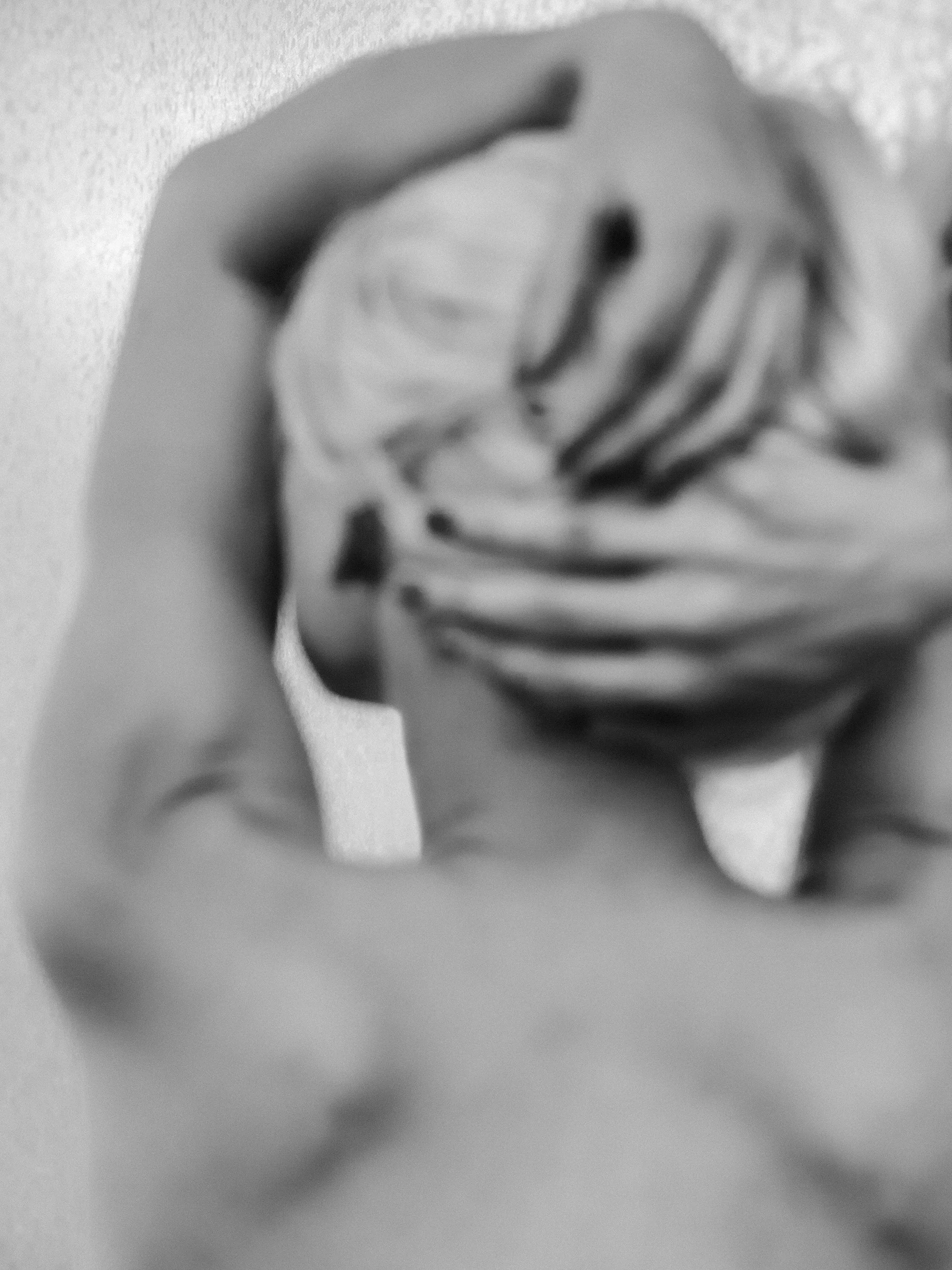
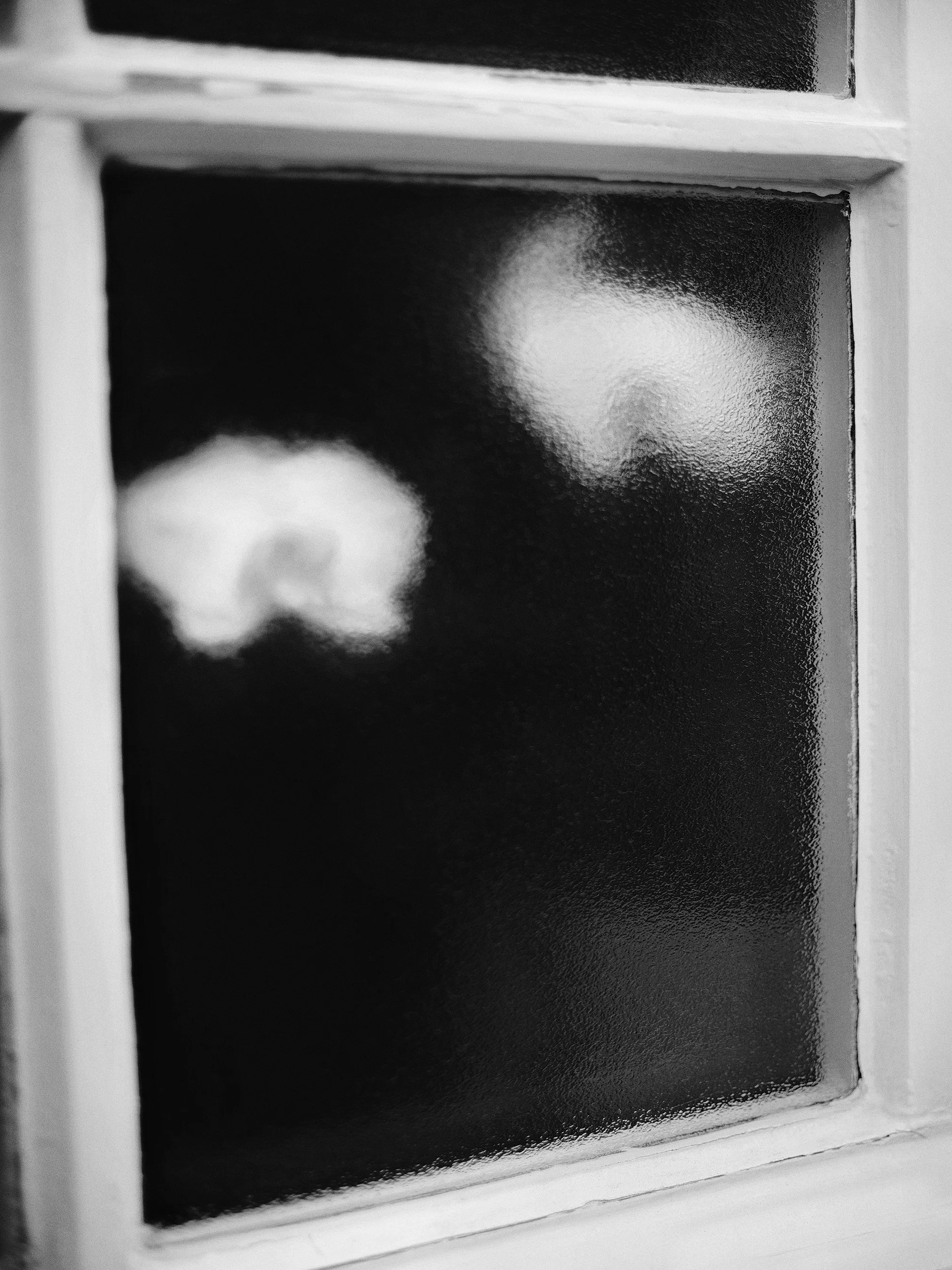
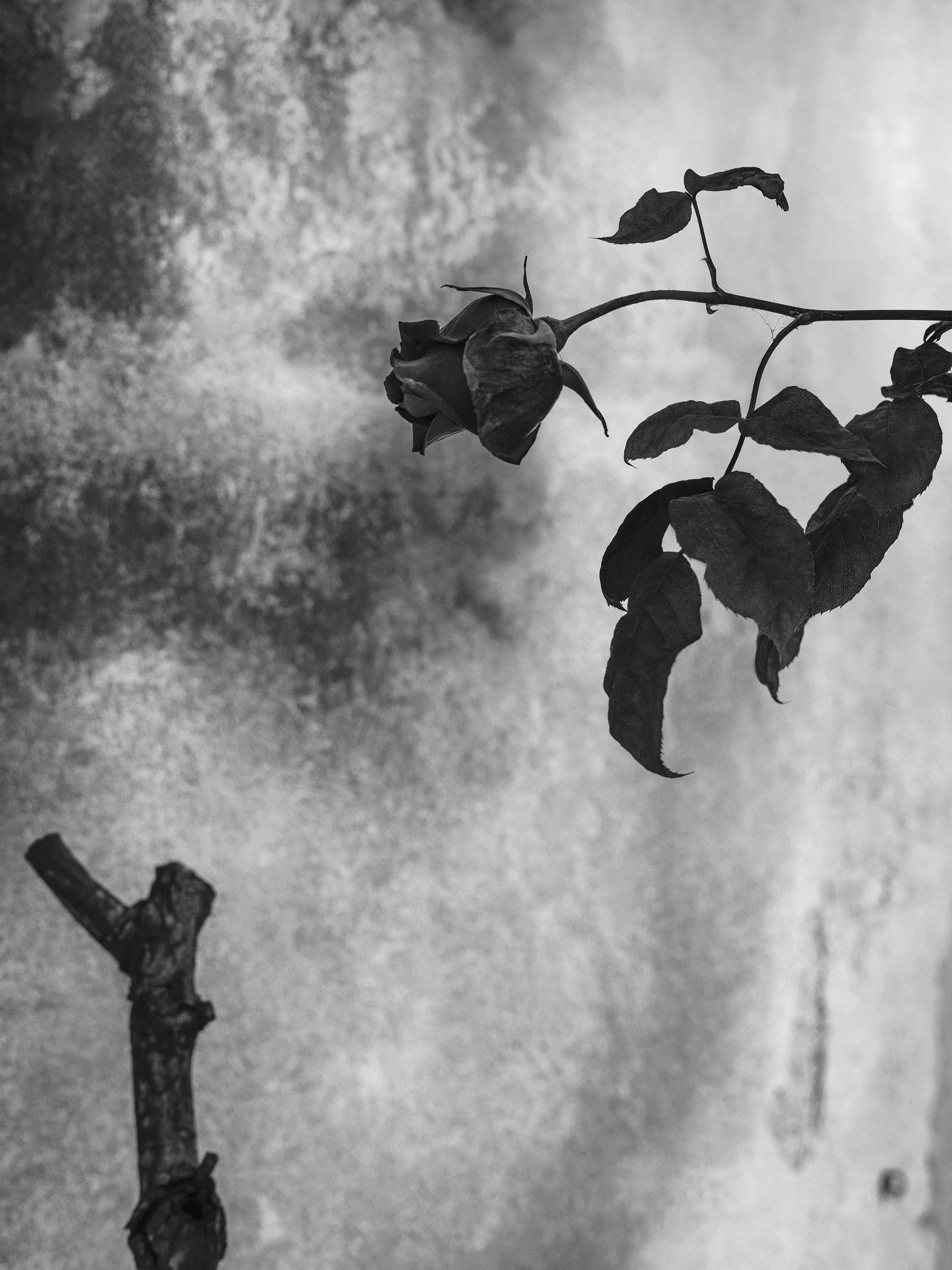
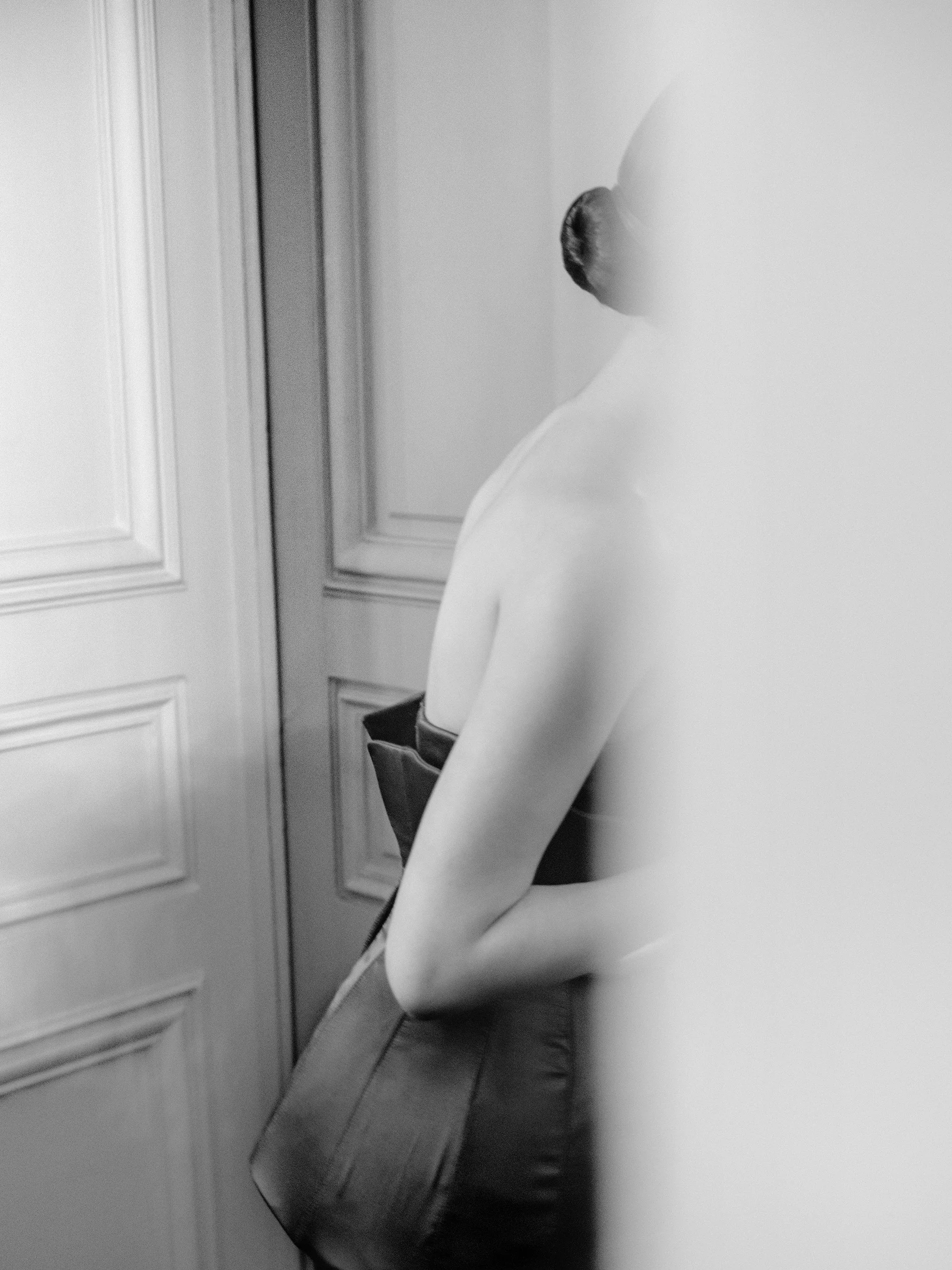
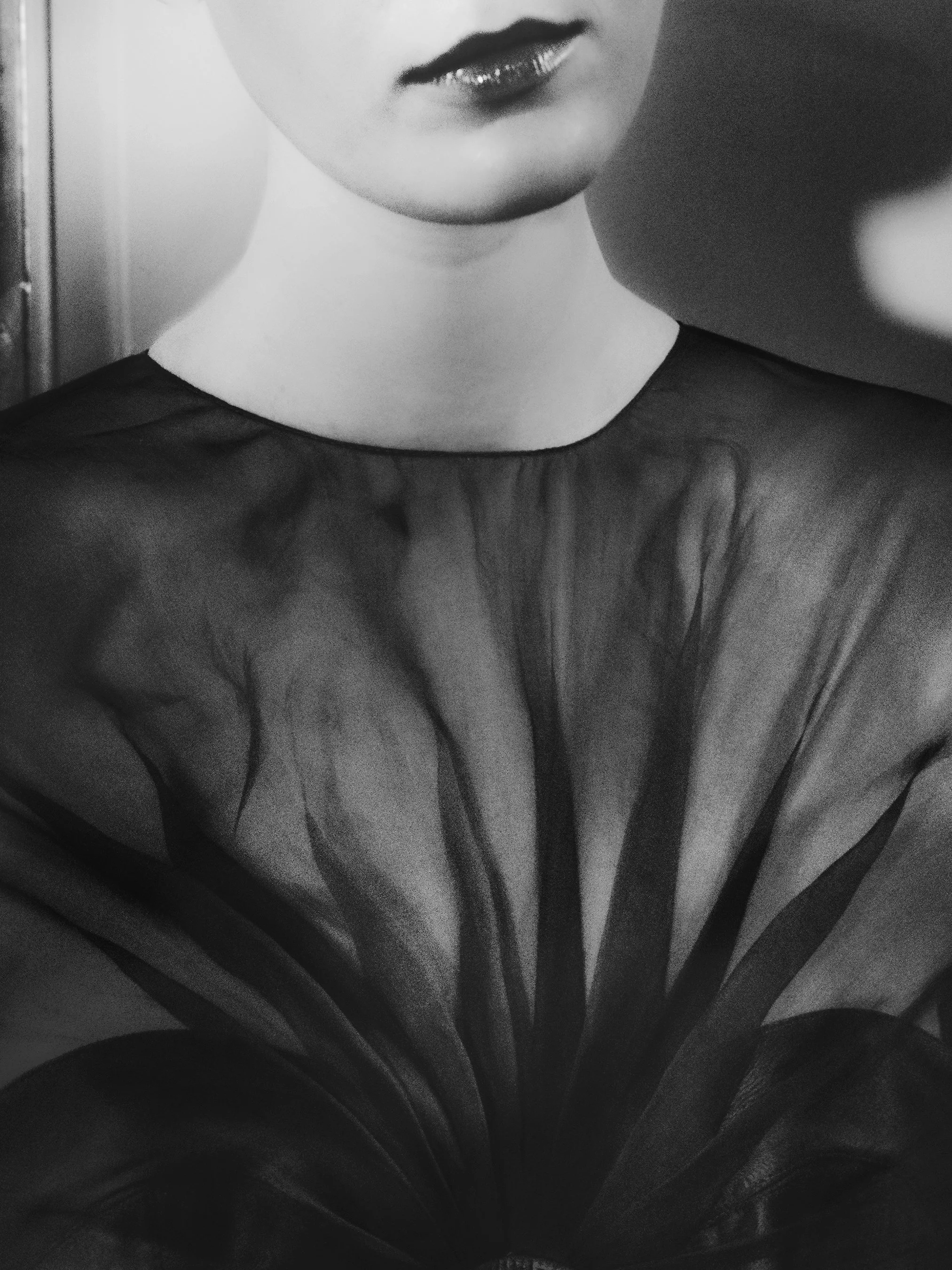
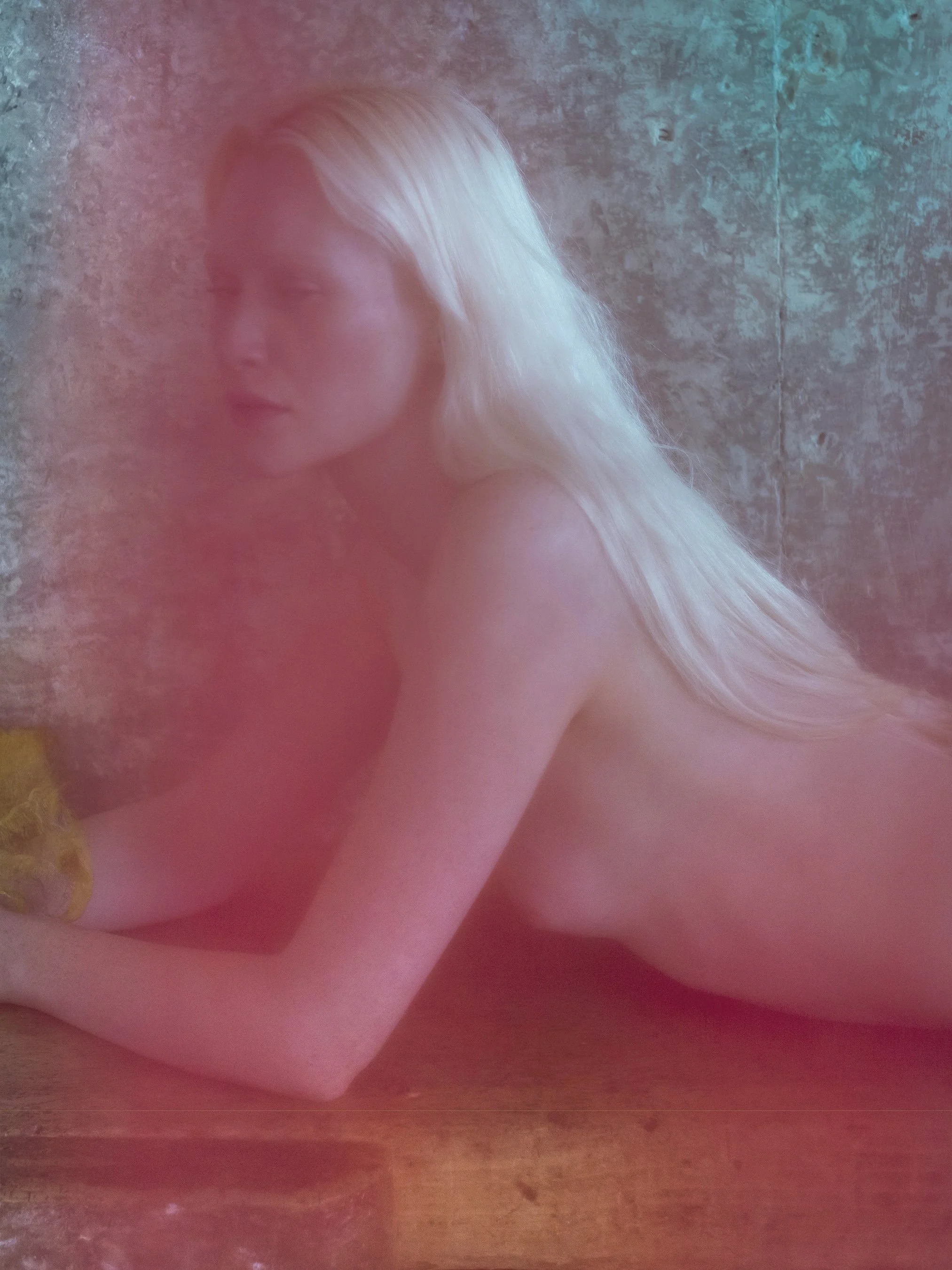
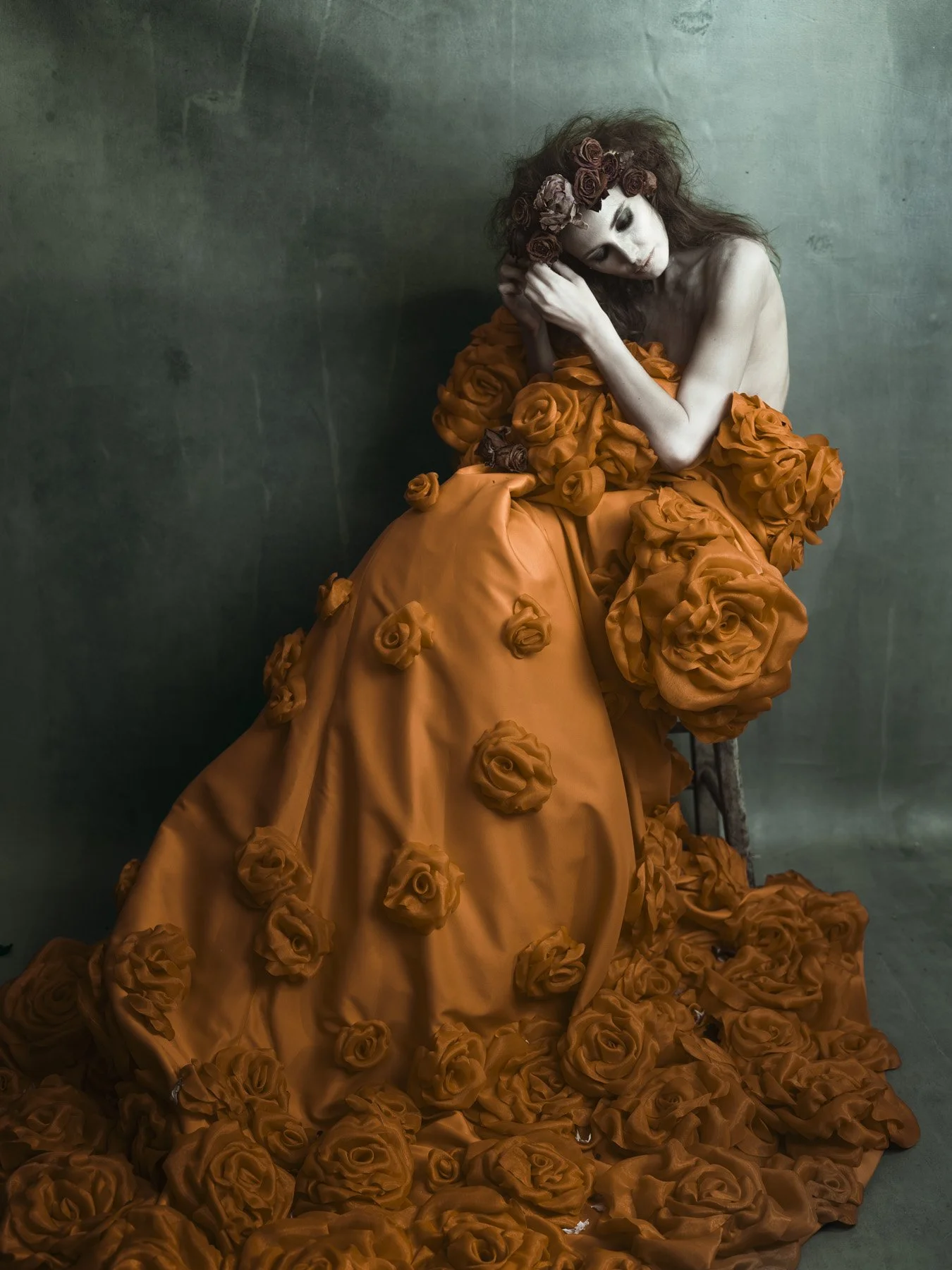
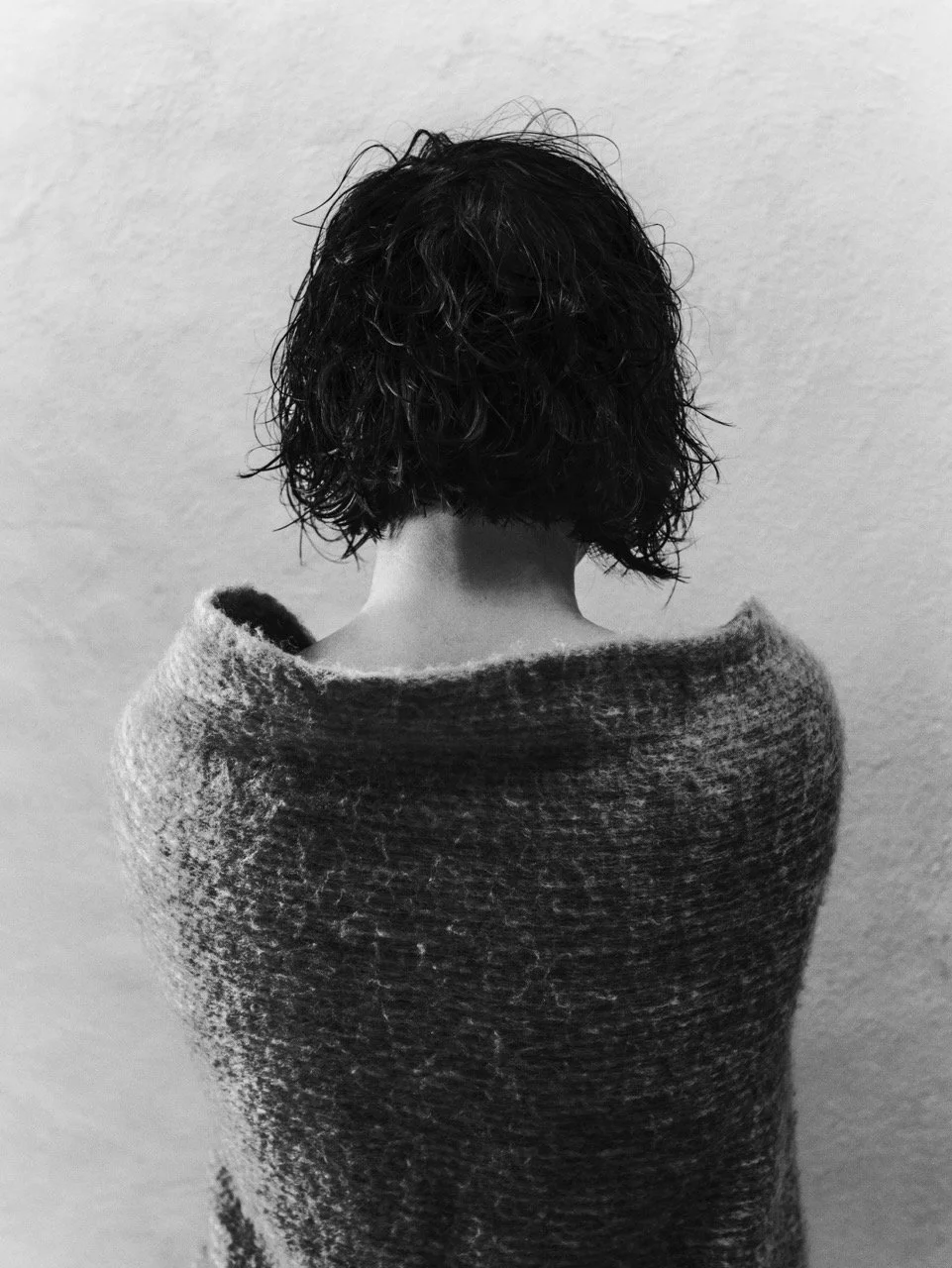
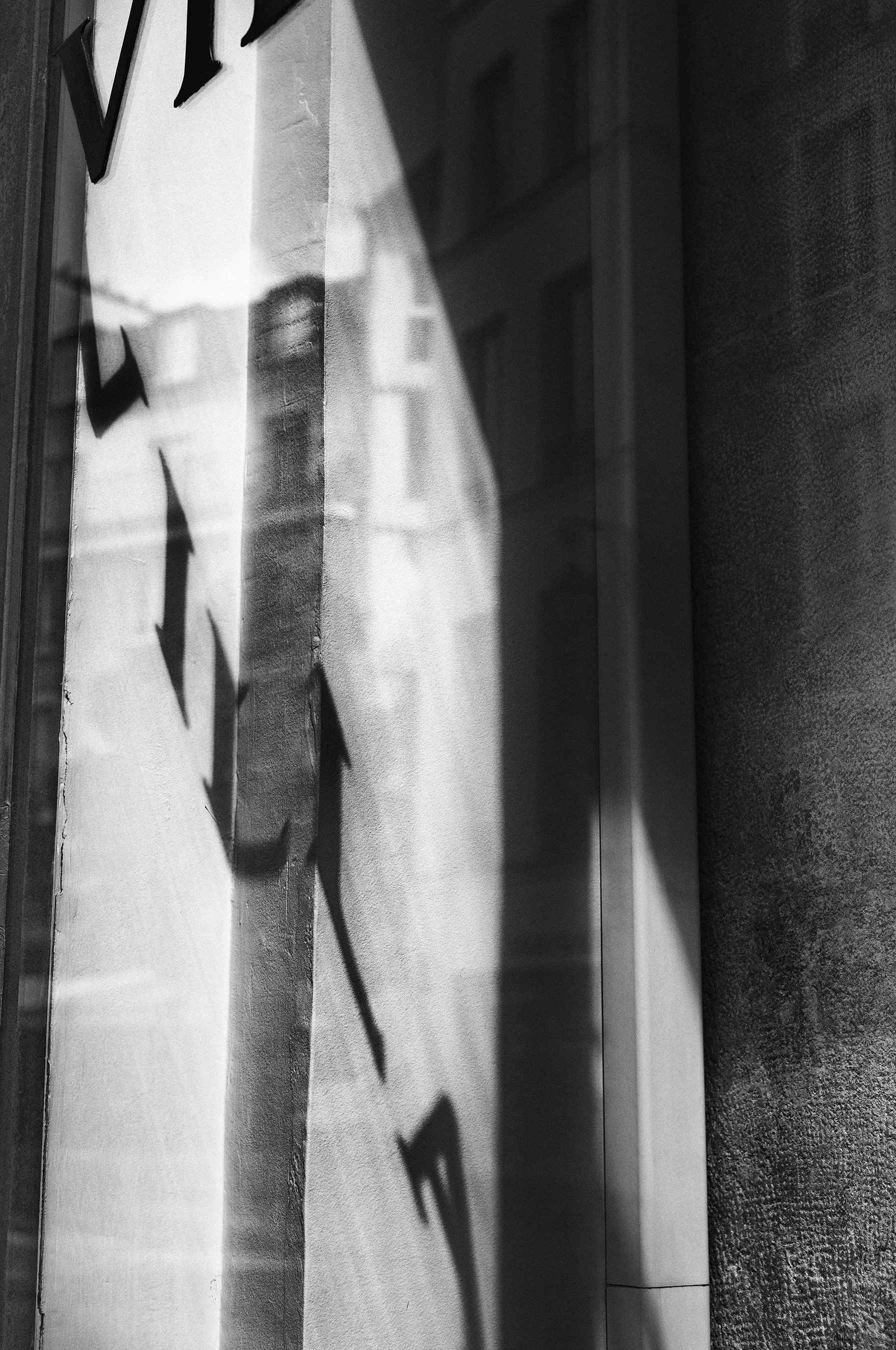
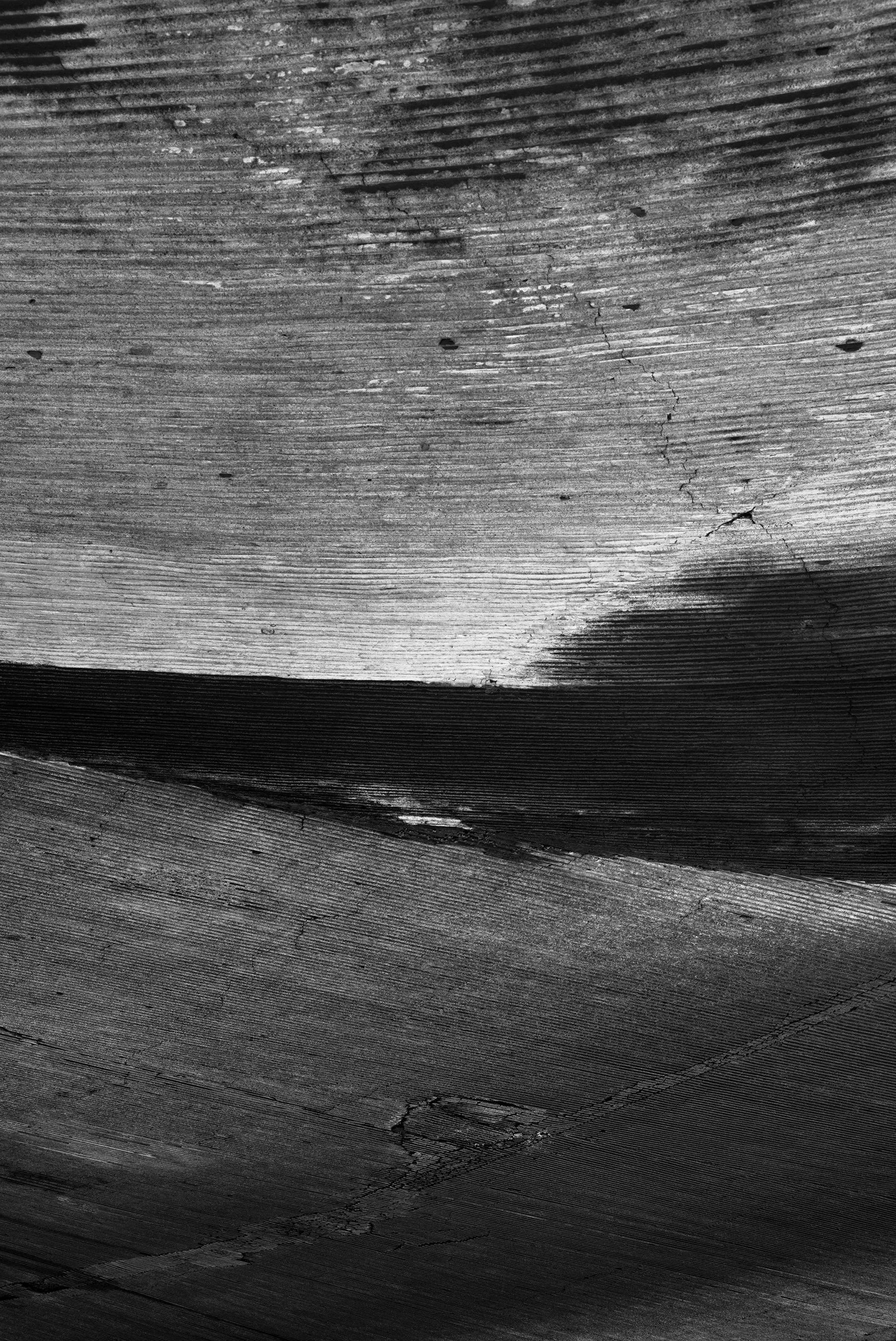
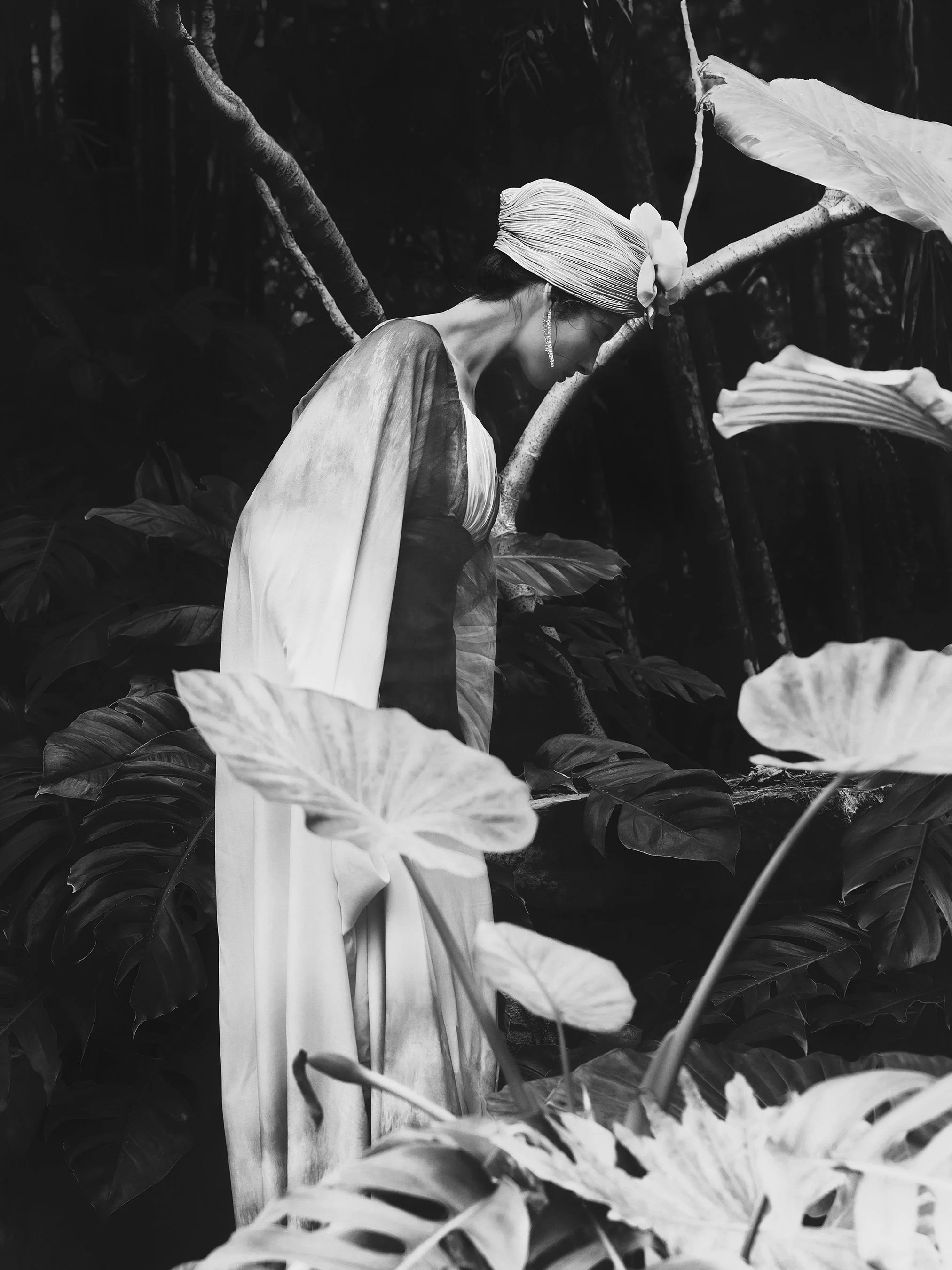
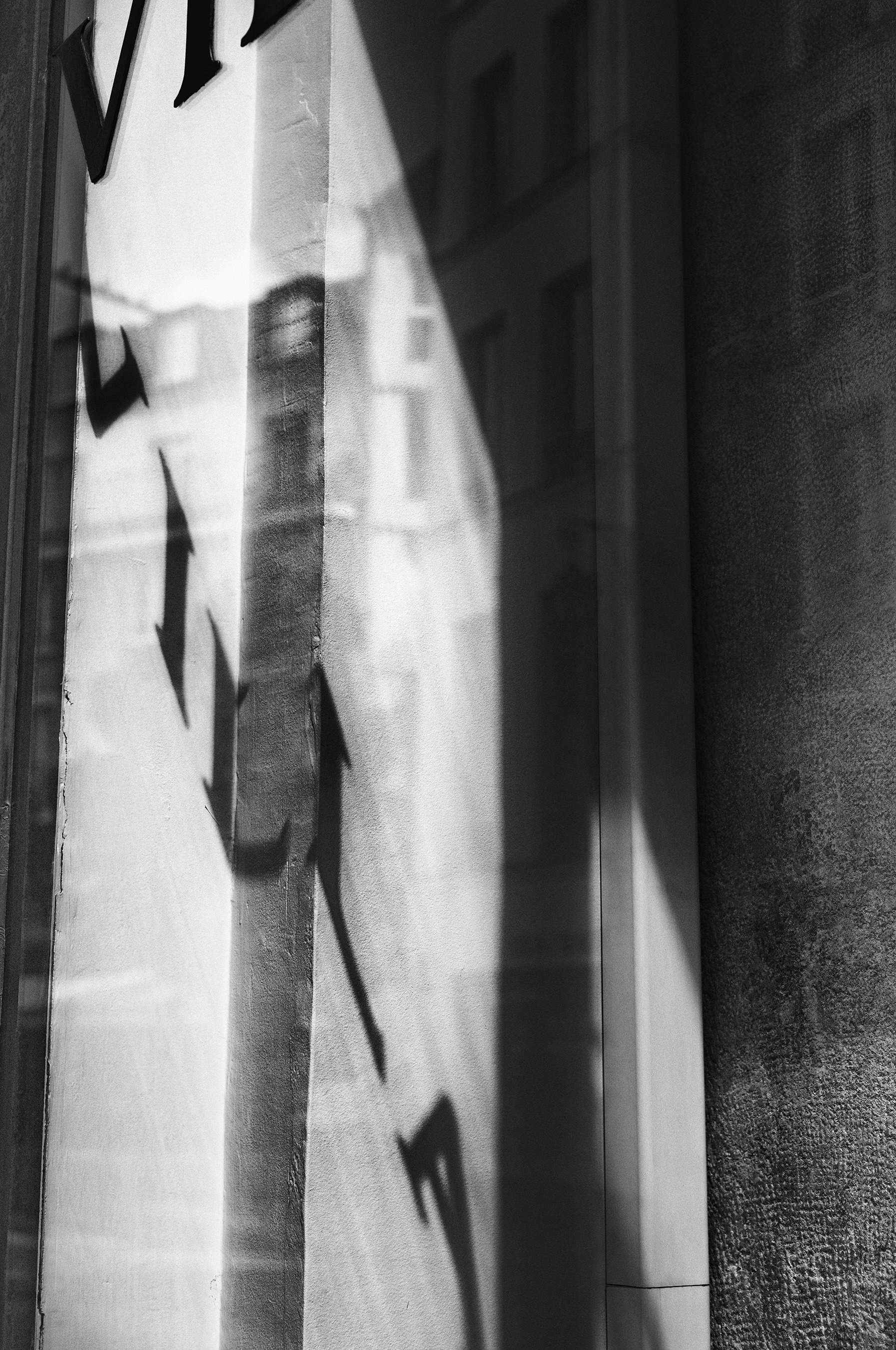
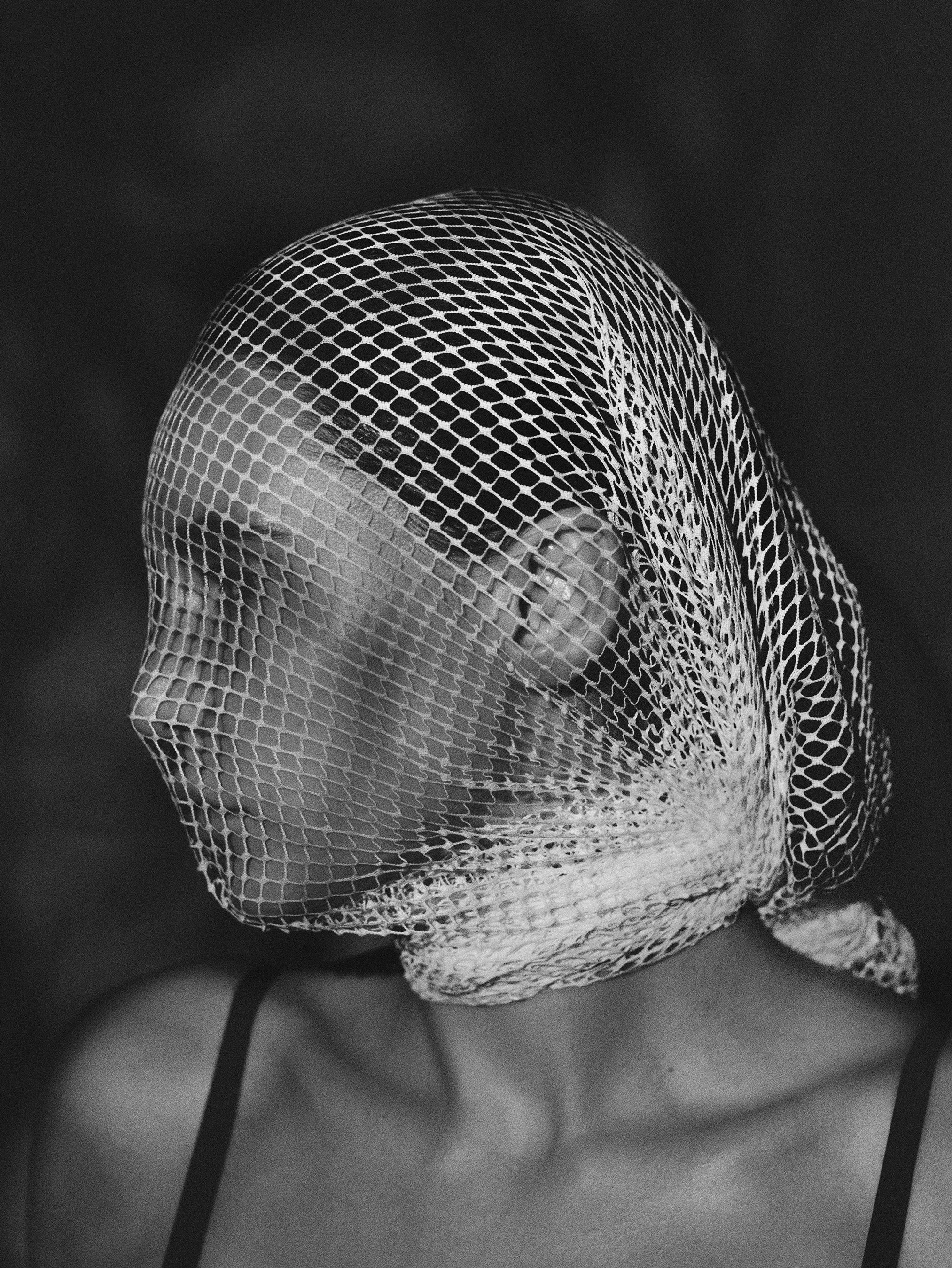
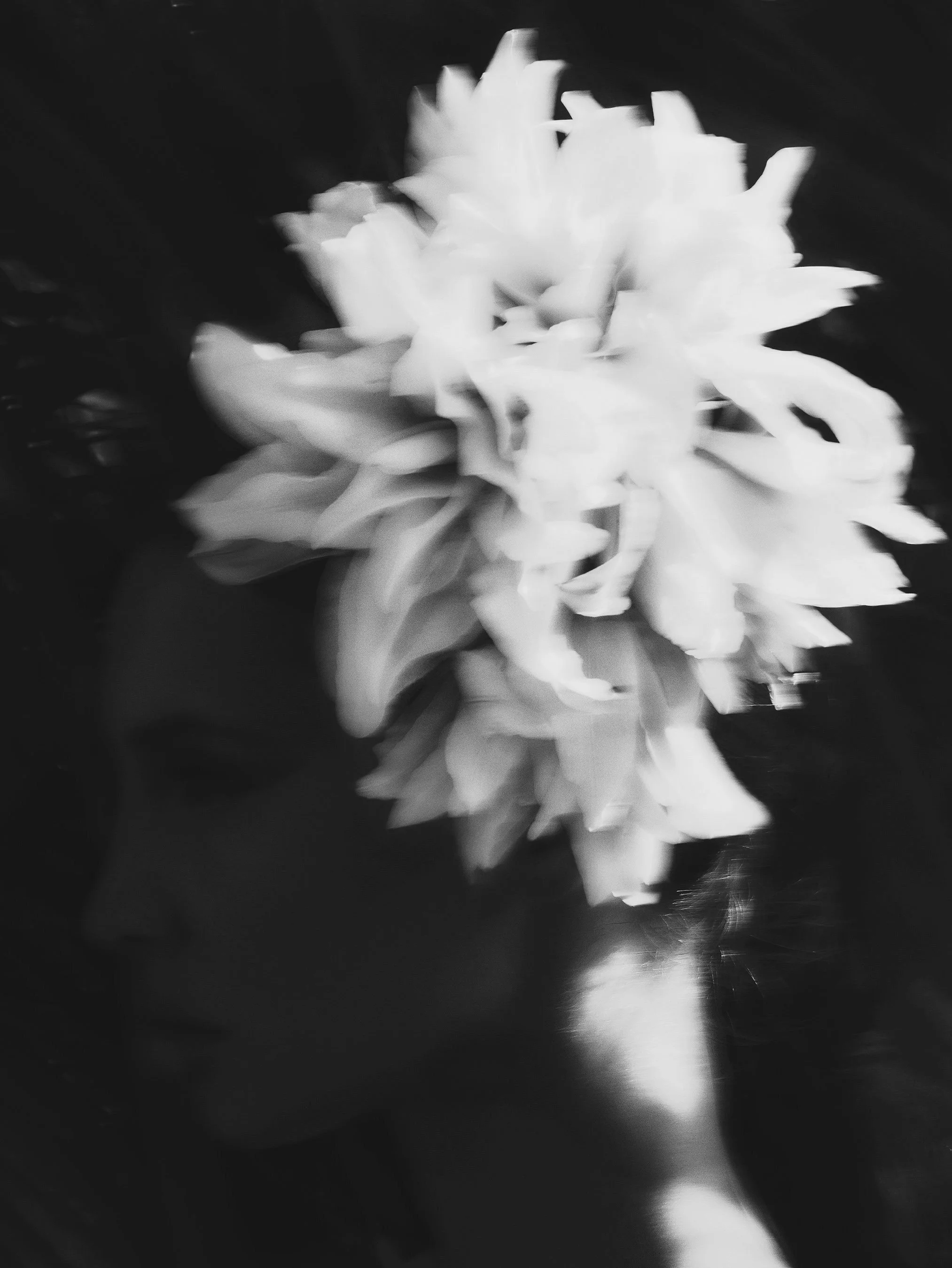
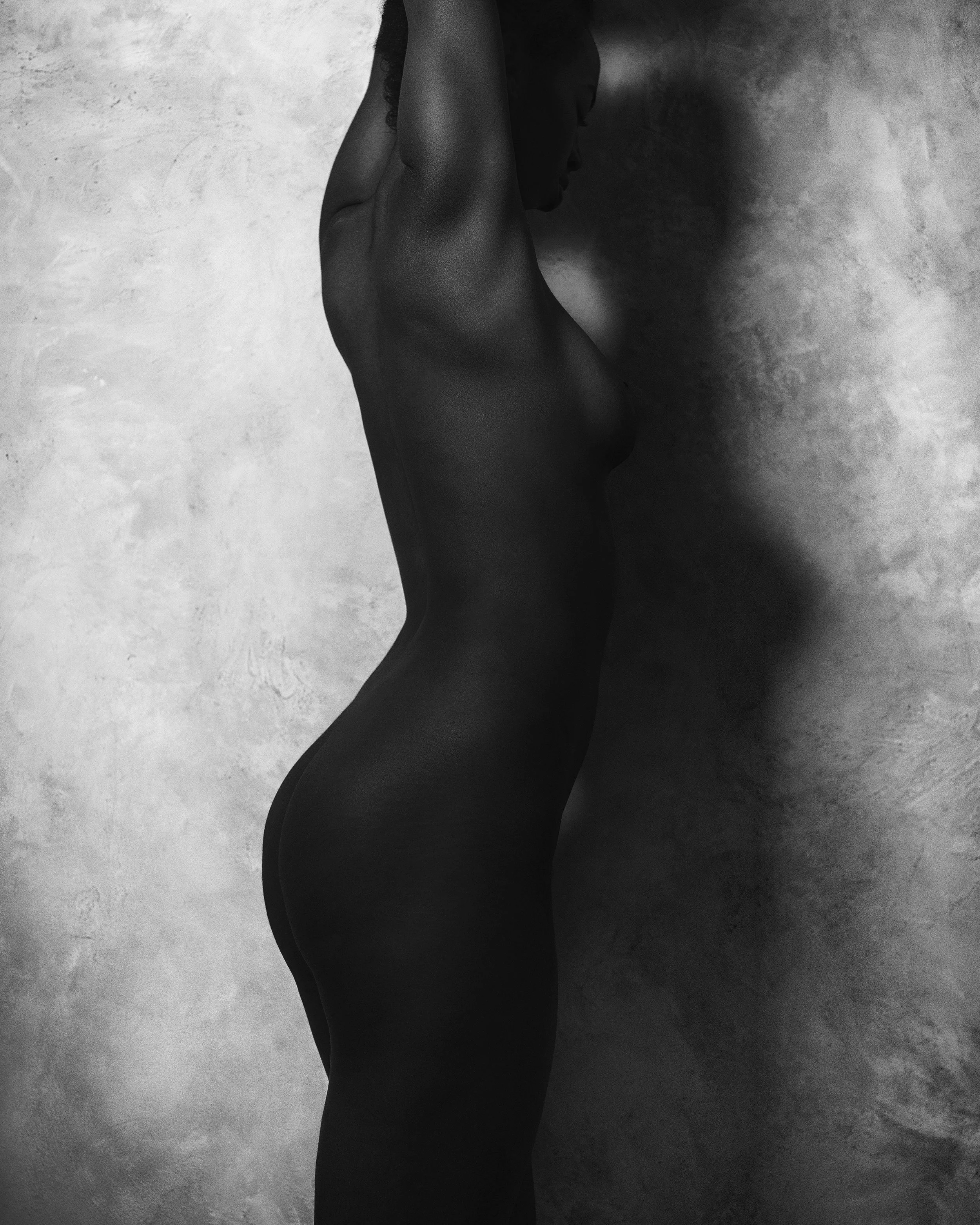
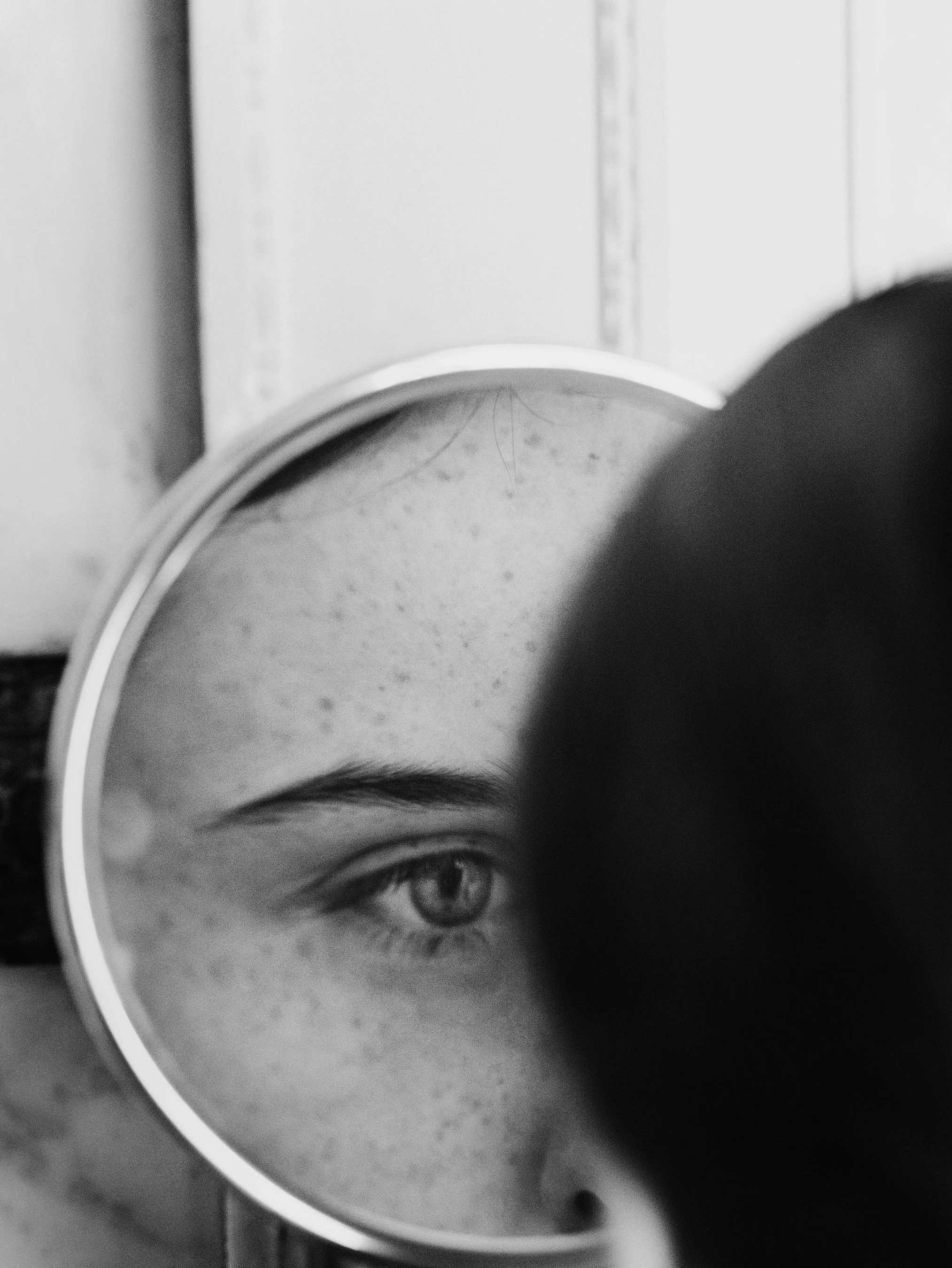
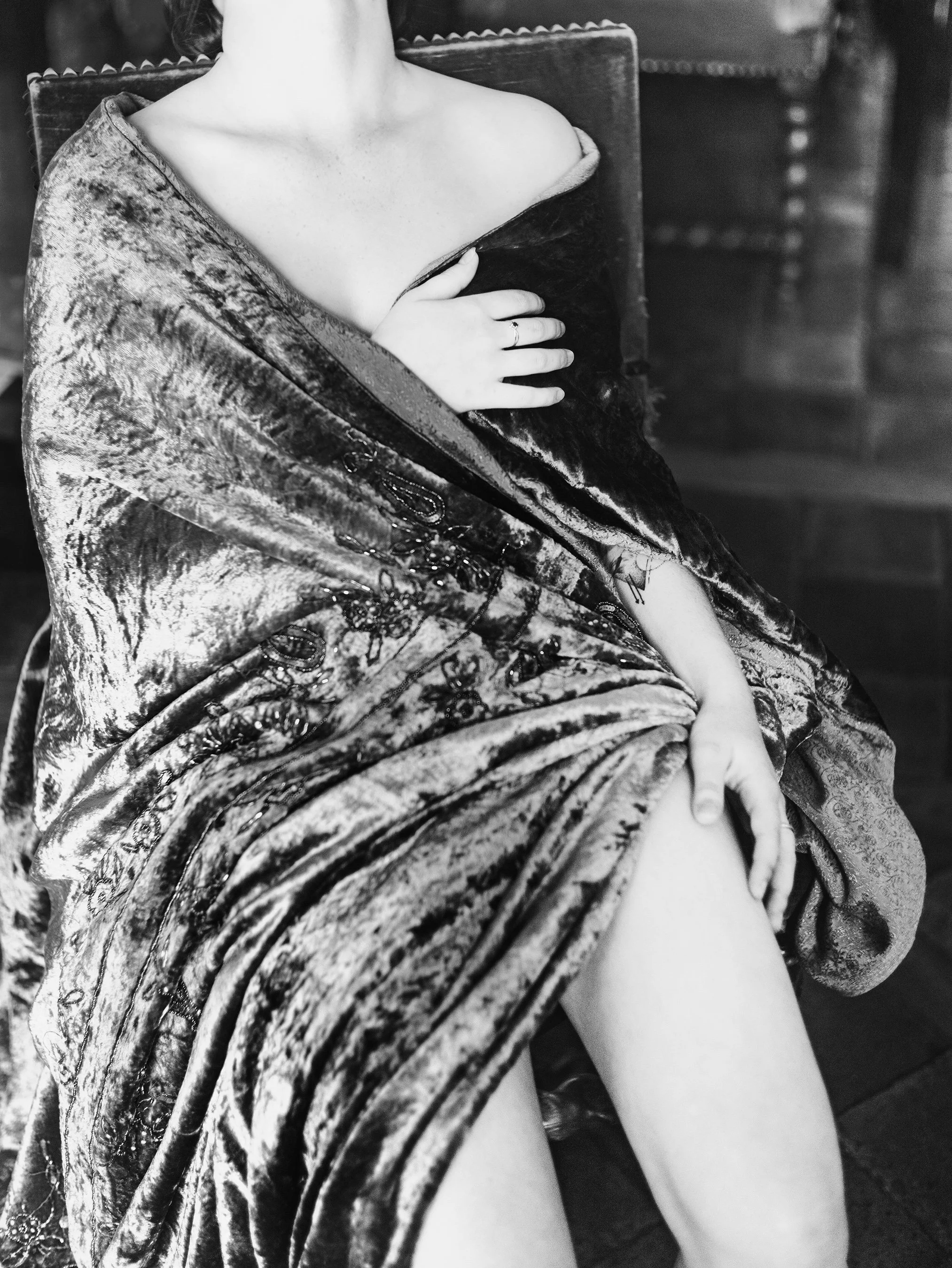
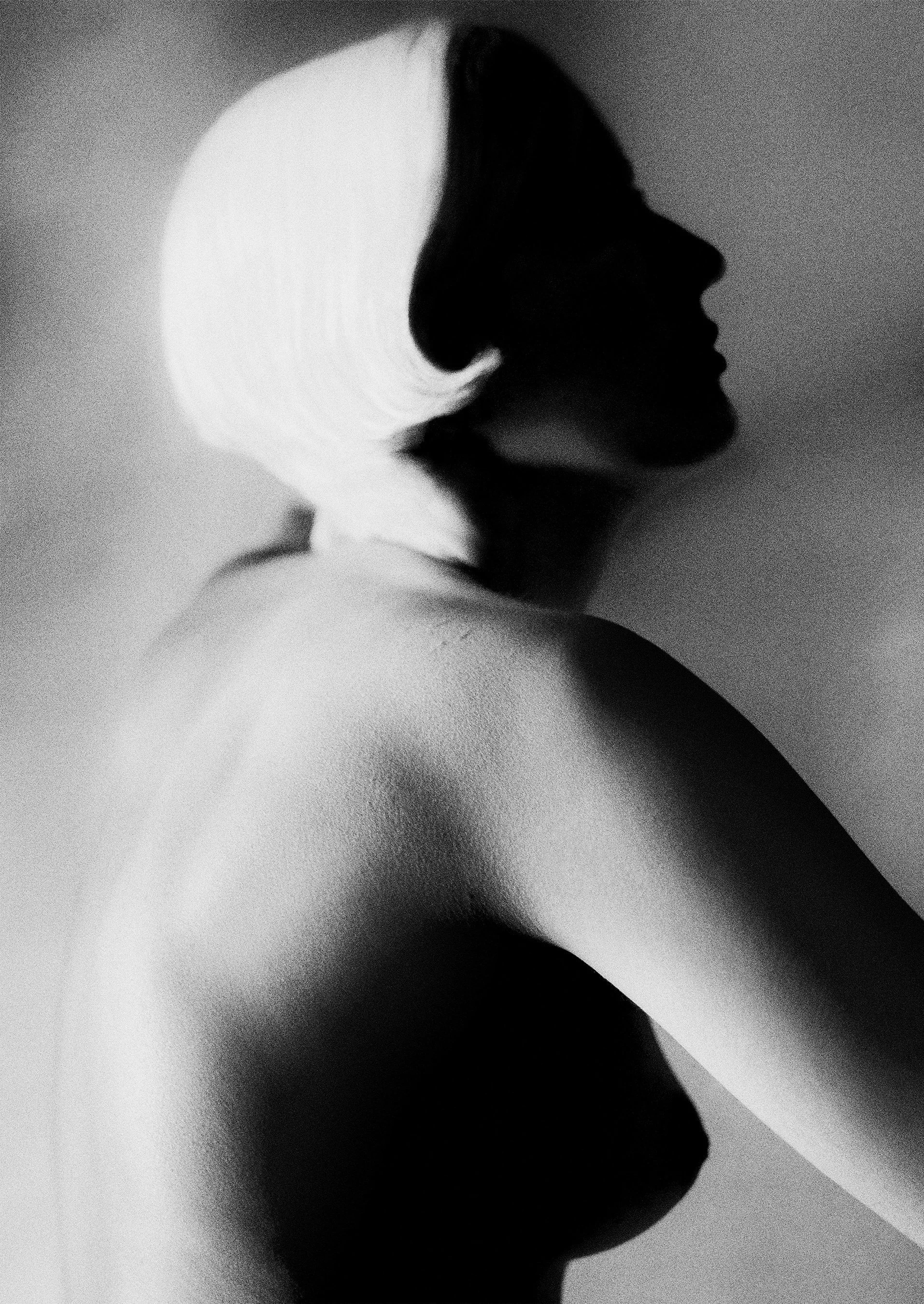
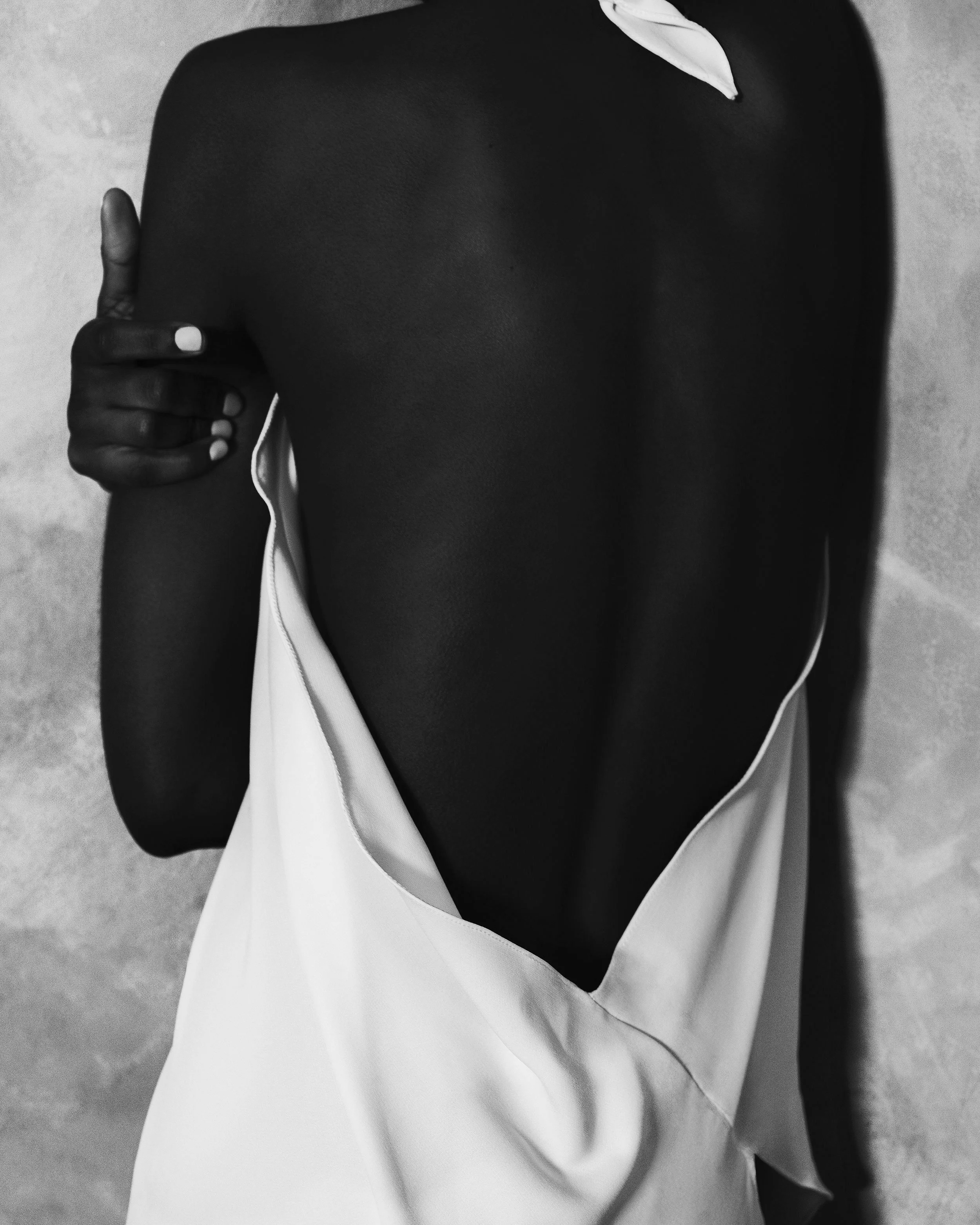
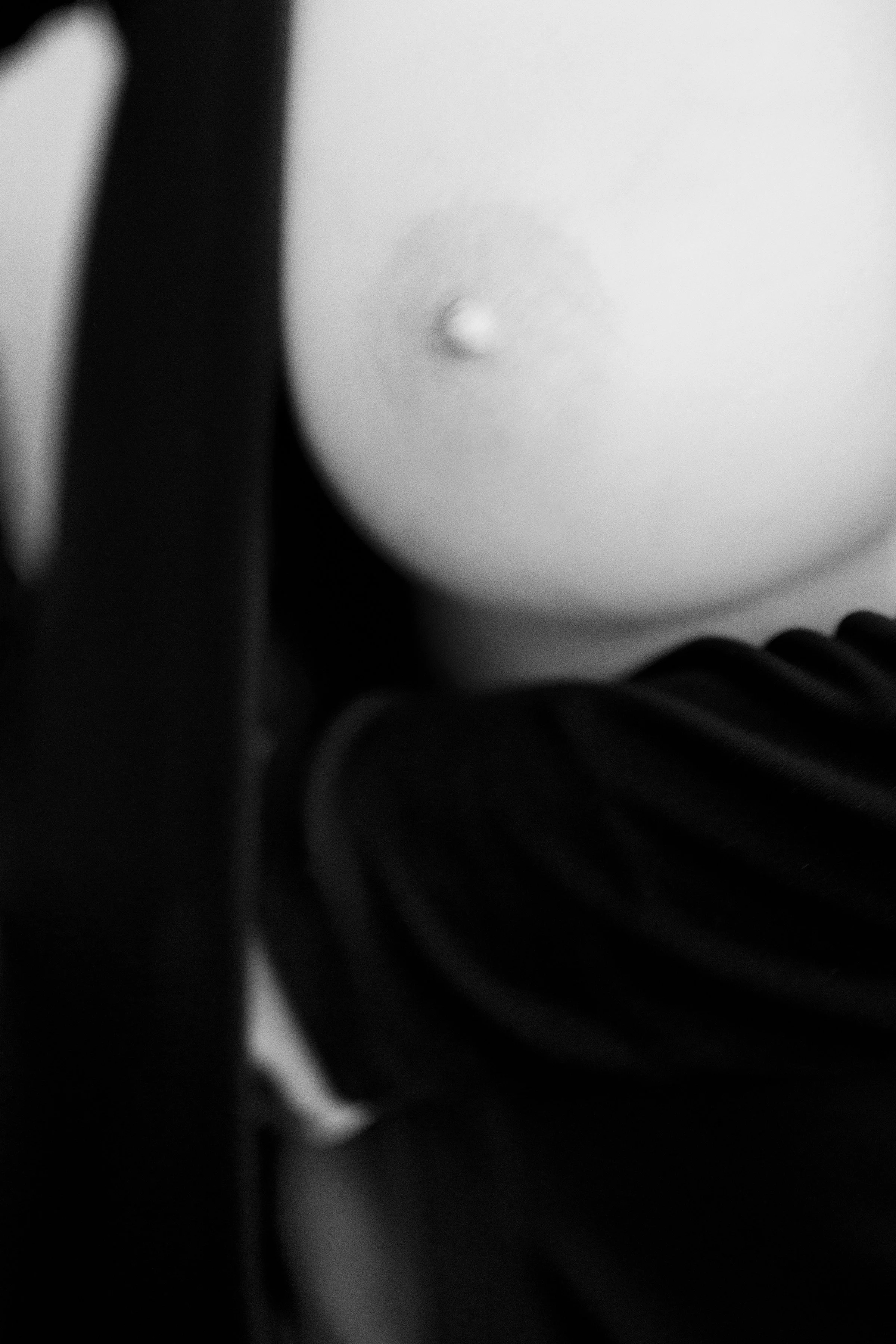
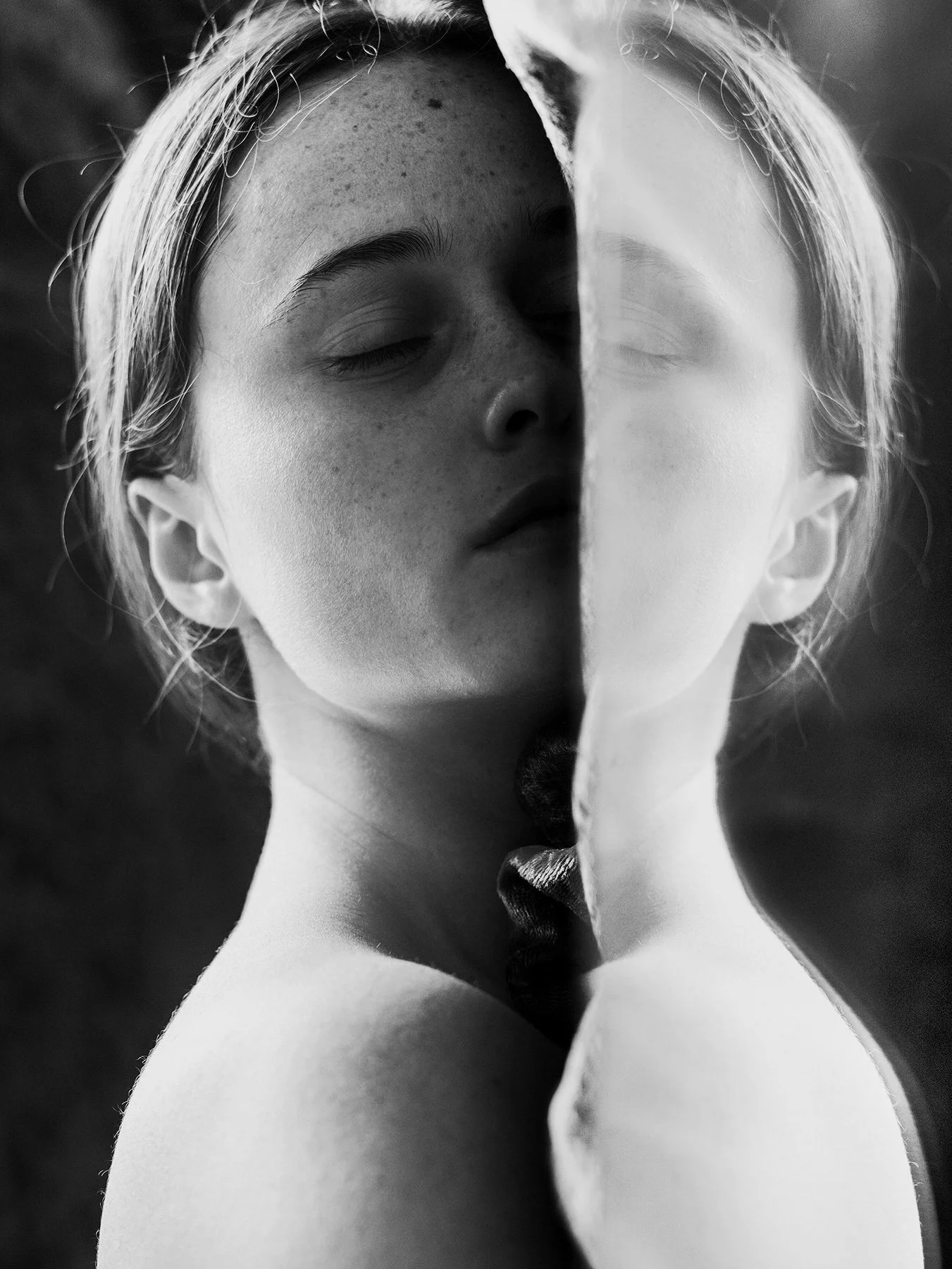
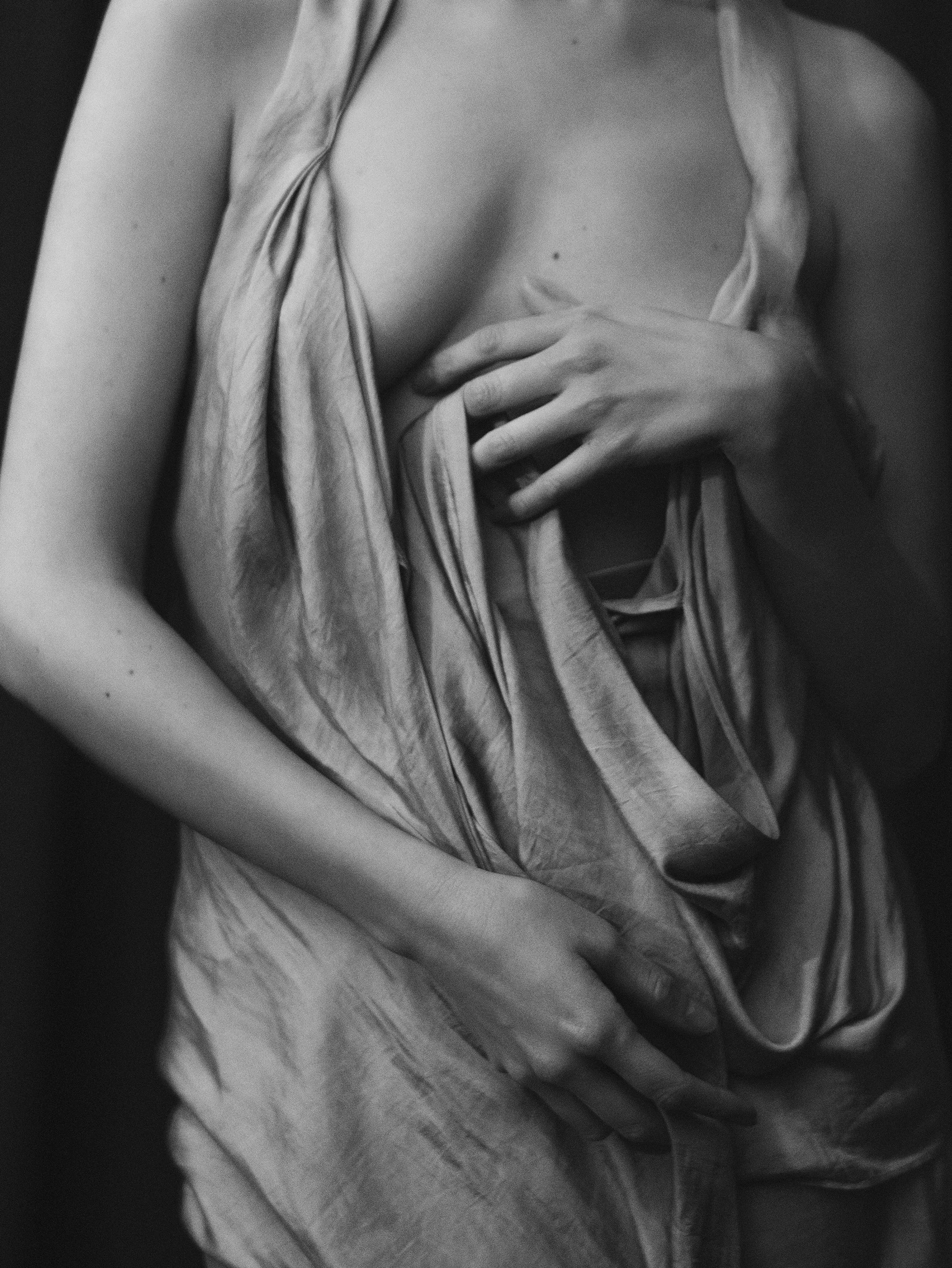
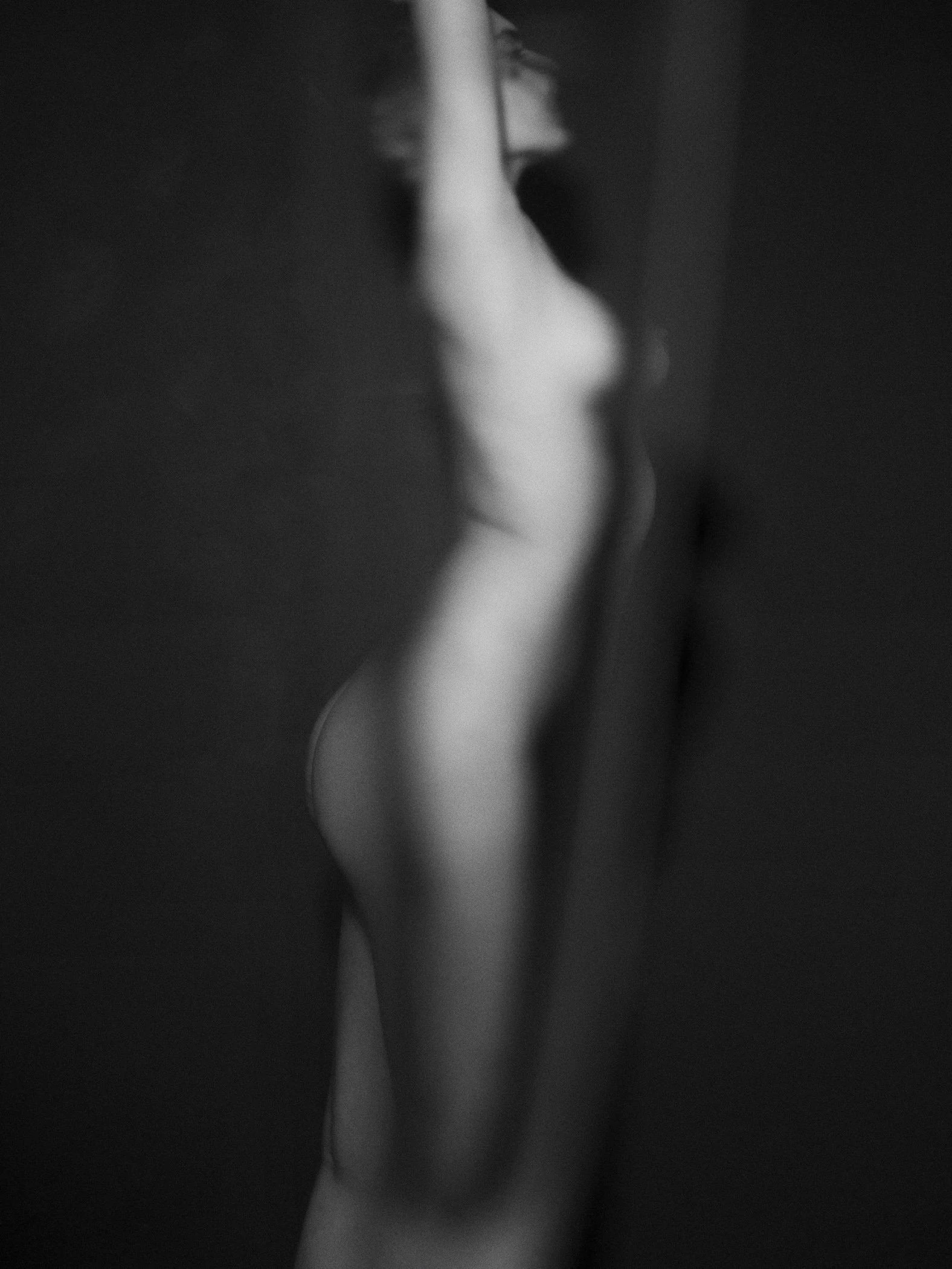
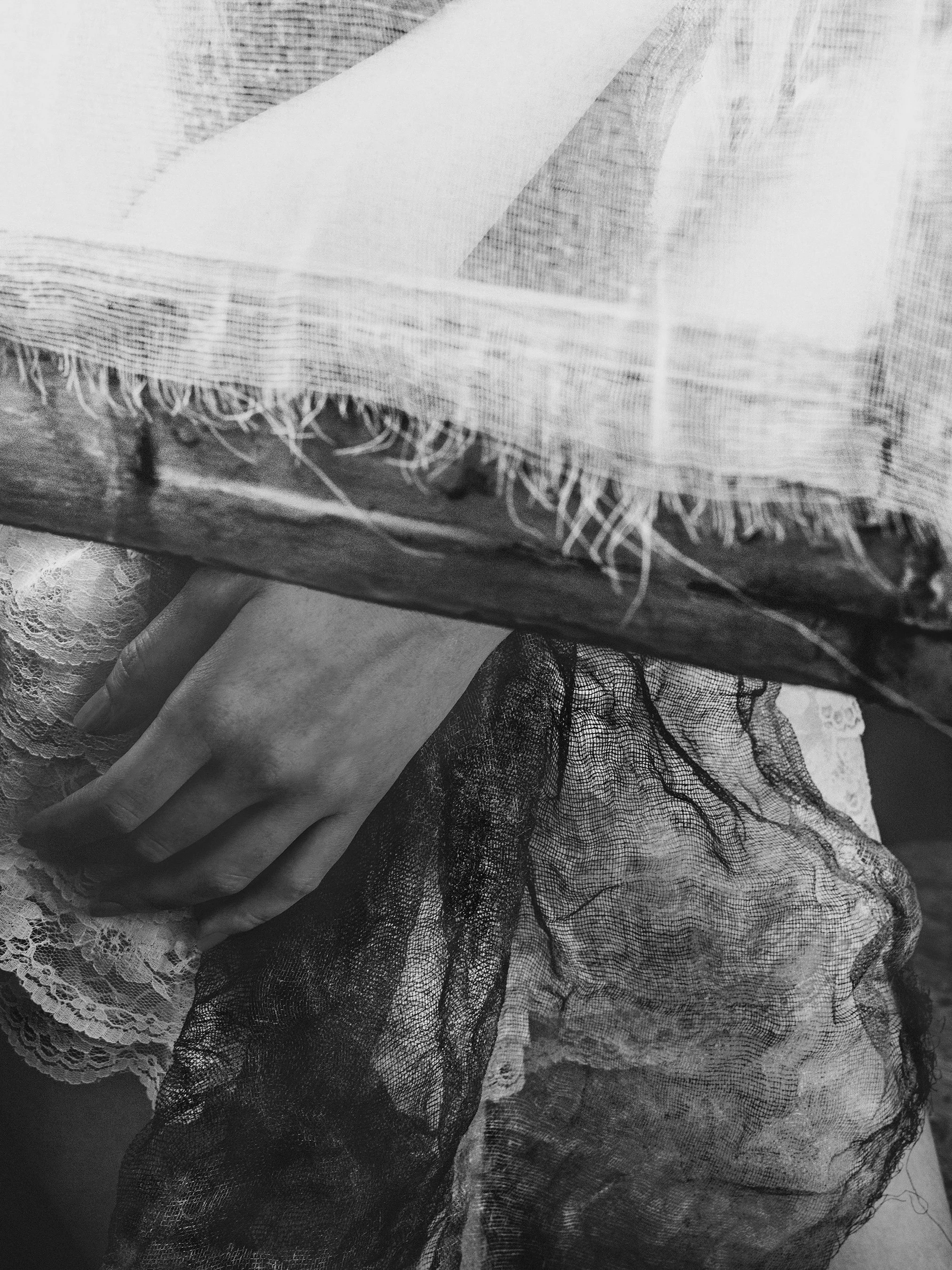
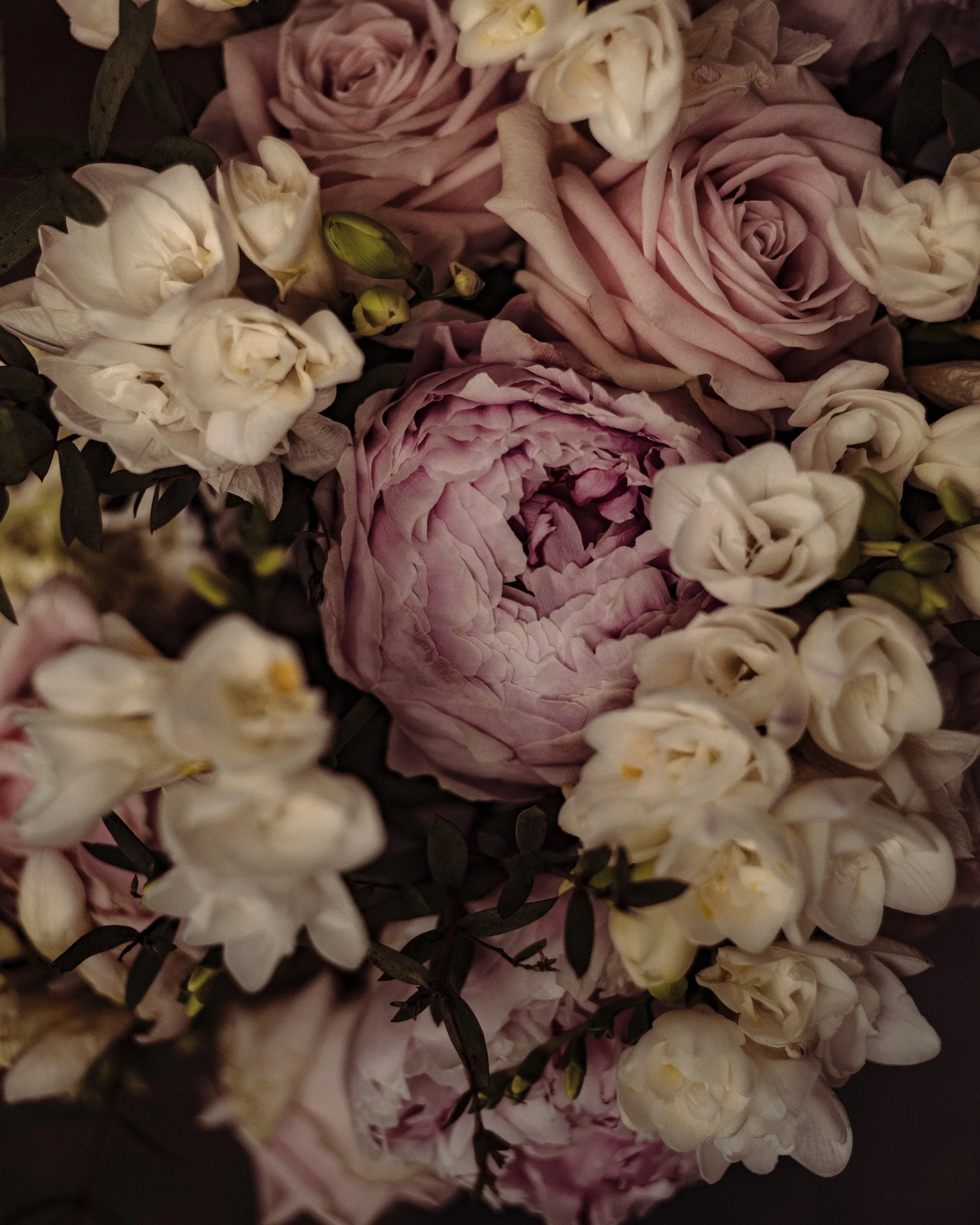
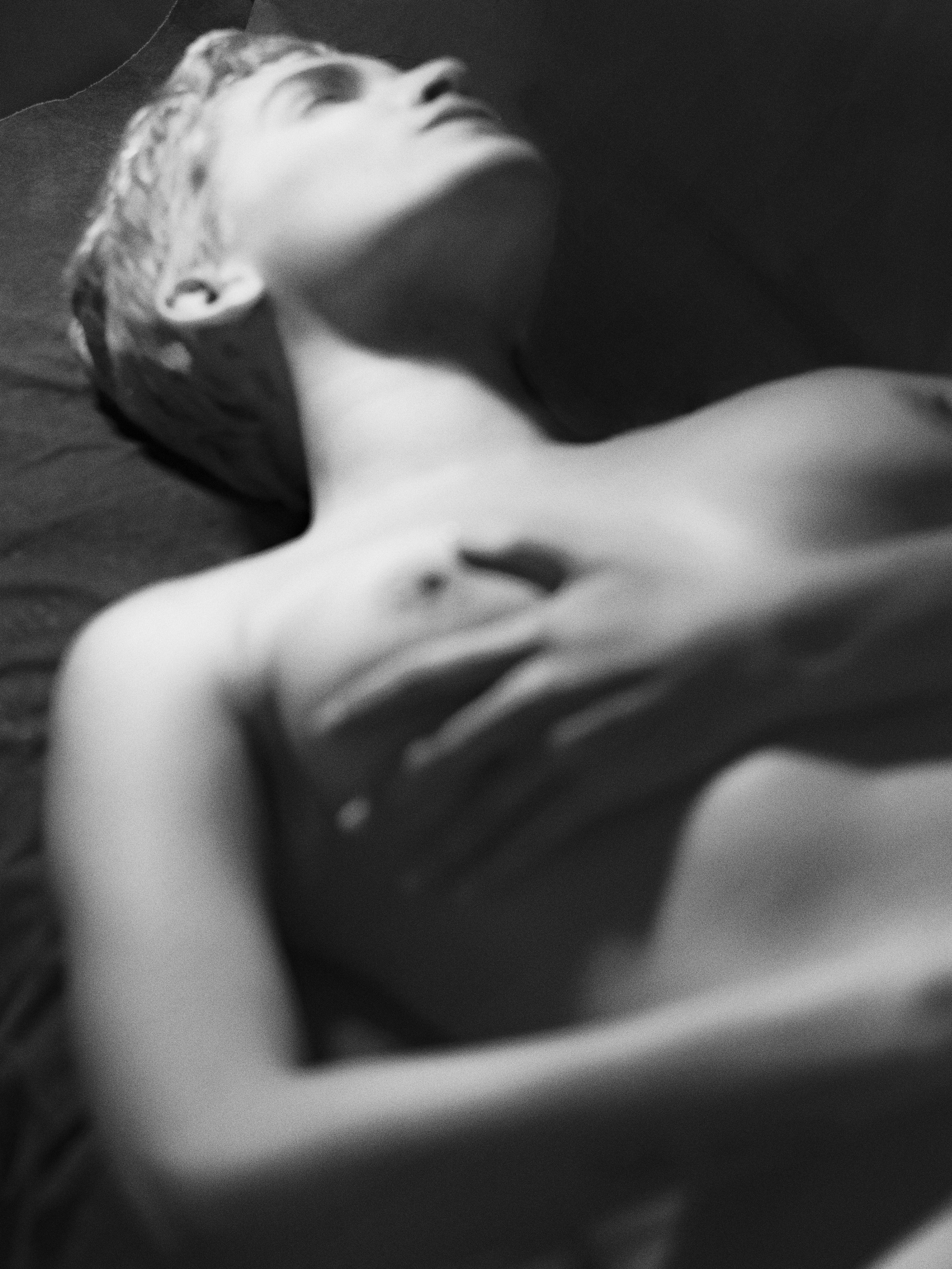
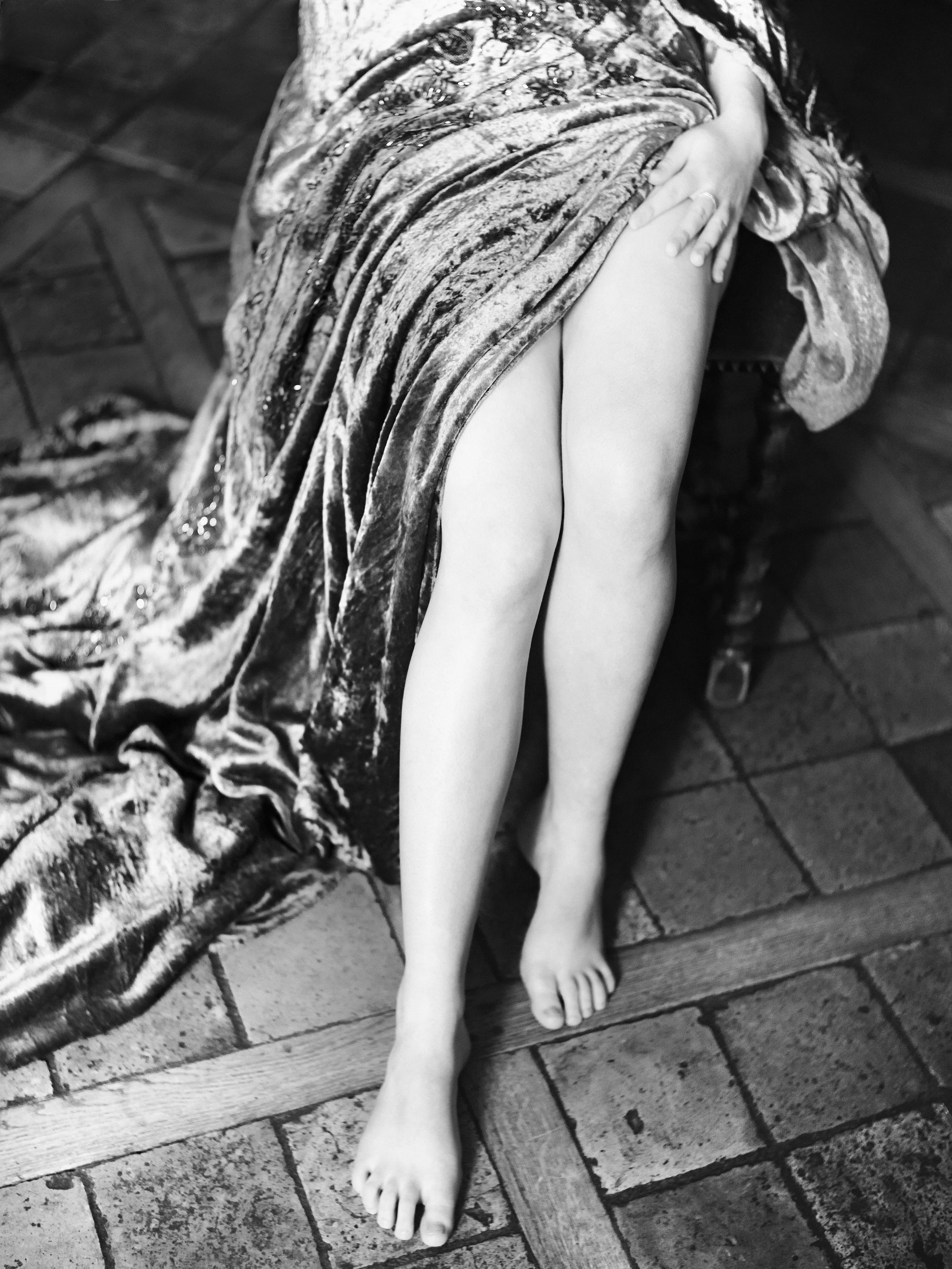
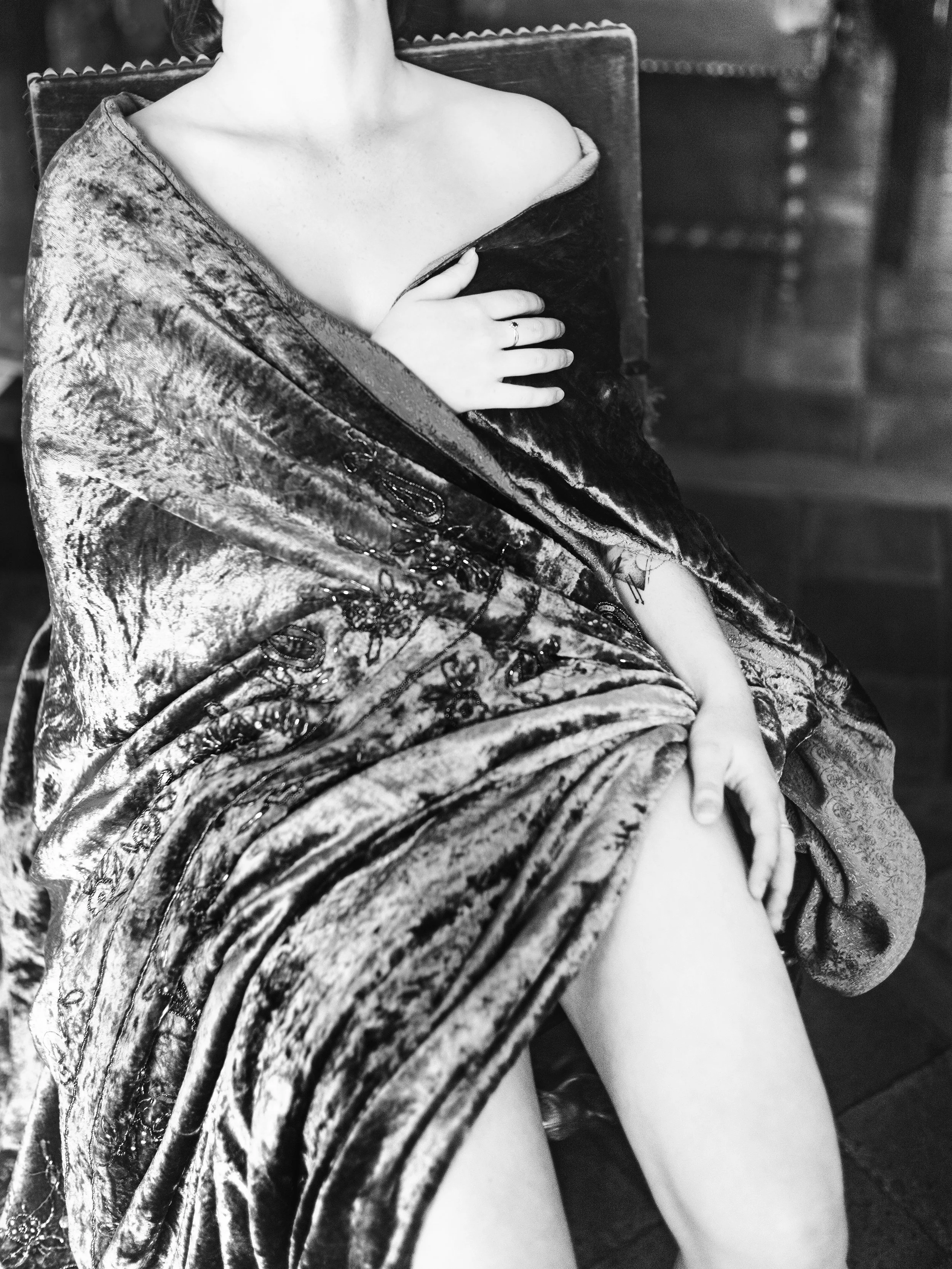
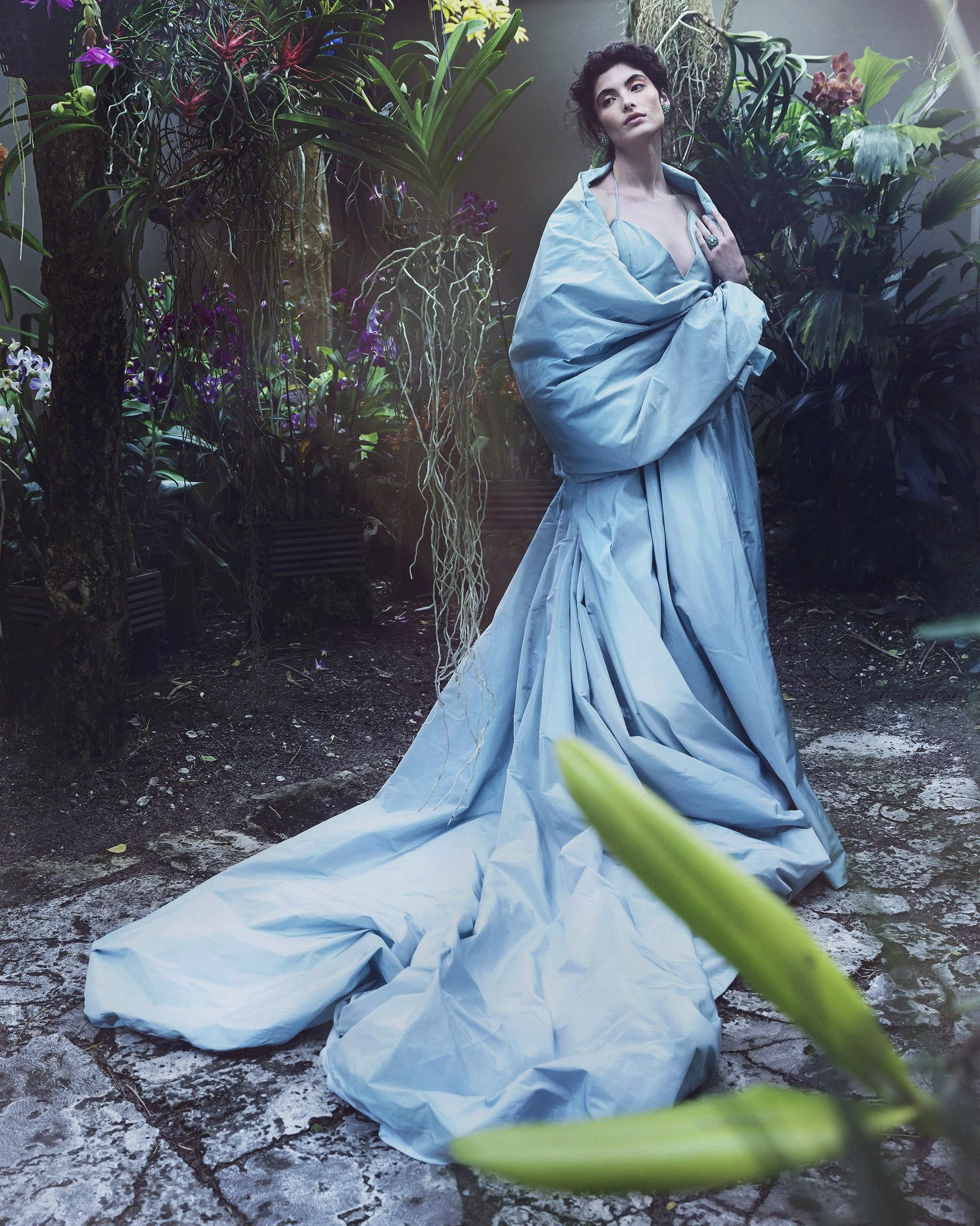
His eye moves through the world with curiosity and asombro, open to being stopped by what does not ask to be seen. His visual language is built on light and darkness in constant conversation. The body fragmented, never fully revealed, not as an aesthetic choice but as a way of seeing. The human form, the face, the abstract scapes of the world, and the influence of fashion. He is drawn to what holds its presence, the quiet over the spectacular. For Cruz beauty is not merely an aesthetic pursuit. It is the emotional truth he is always moving toward. He does not chase the moment; he composes it. A new conversation has recently begun within his art. Still life, an expression of the same eye that has always found poetry in the world before him.
Cruz takes the printed photograph seriously, as an object, something to be held and felt. Trained in the classical disciplines of the medium and committed to photography as a language with its own history and integrity. He works in gelatin silver, platinum palladium, héliogravure, and archival pigments, approaching each print as an extension of the image itself. For Omar the photograph reveals itself slowly, through long hours of silence, listening to what each image has to say. “Printed photographs are never an afterthought. They are my final act.”